Starters
Anchoïade (Provençal anchovy dip)
Anchoïade
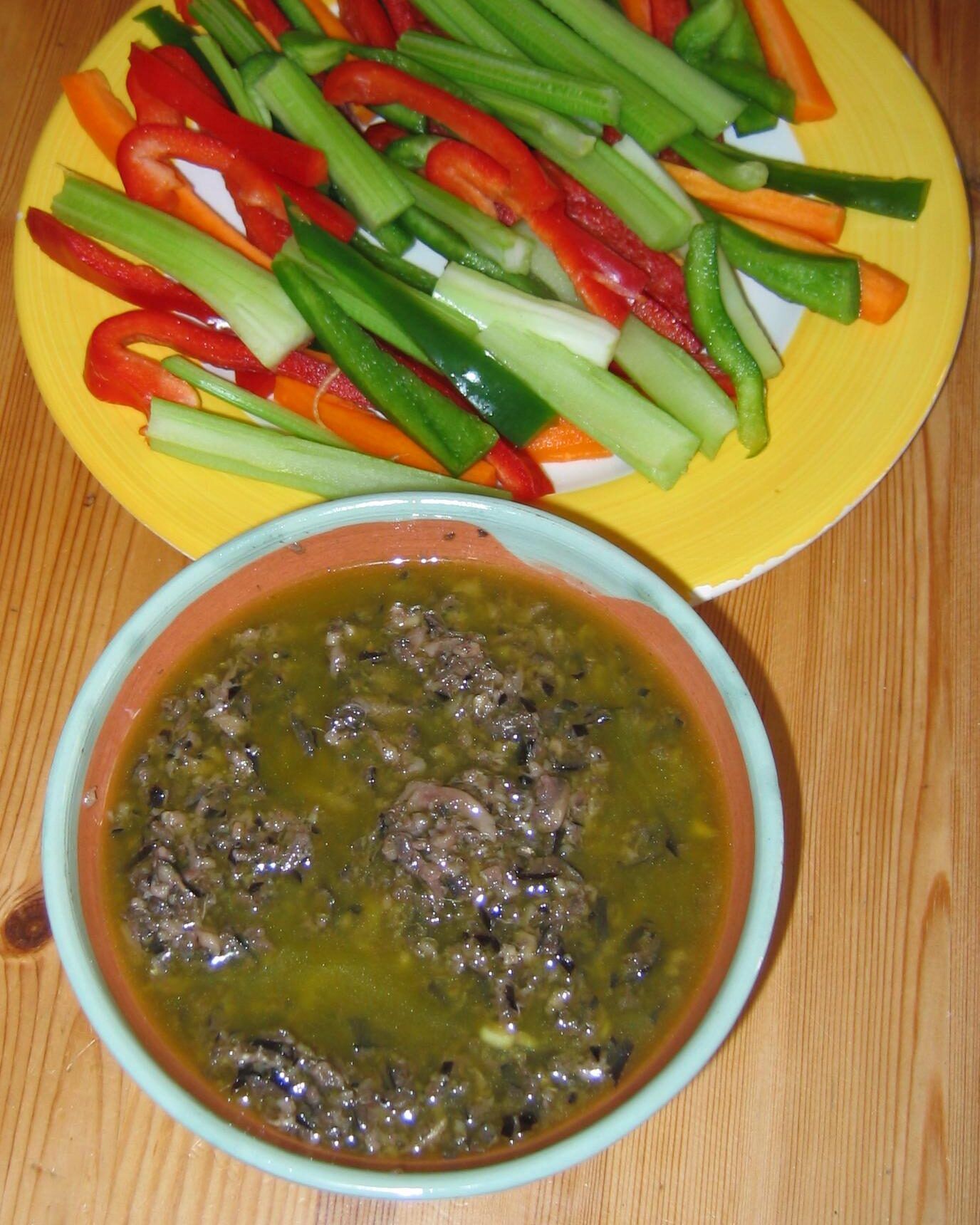
Anchoïade is a Provençal dip of anchovies pounded with garlic and olive oil, eaten with raw vegetables or toast. Six cooks compared, plus its link to Nice.
Published
- Prep
- 20 min
- Rest
- 15 min
- Total
- 35 min
- Serves
- 4
- Difficulty
- Easy
Method
Cut the vegetables into sticks, wedges or single leaves, keeping them easy to hold. Set them on a plate.
Drain the anchovy fillets well. Peel the garlic clove and chop it finely.
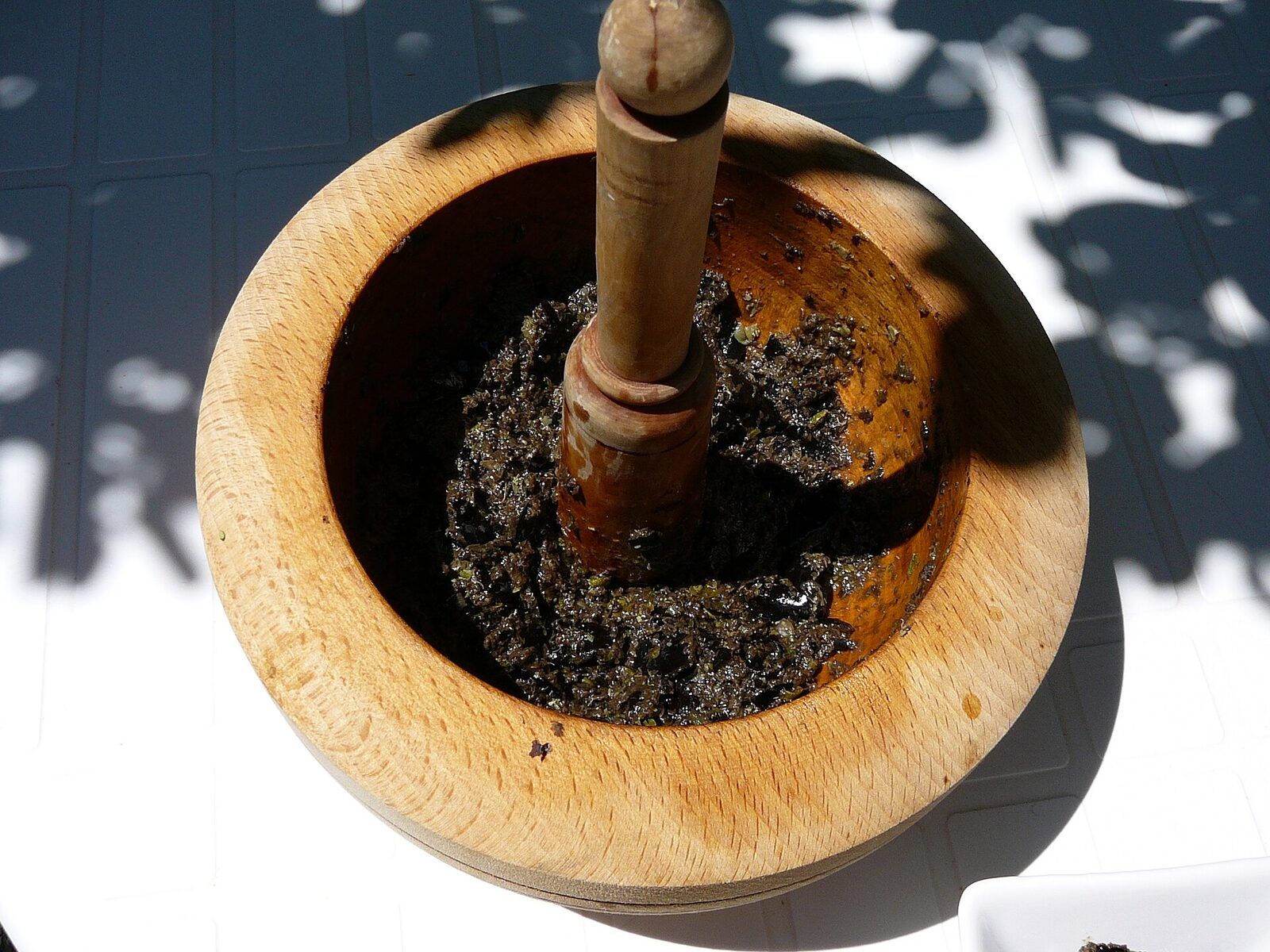
Put the garlic and the fillets in a mortar, with the capers if you use them. Grind in a circular motion, scraping the sides down, until you have a rough paste.
Add the vinegar and a few turns of pepper. Mix in.
Work in the olive oil a little at a time until the dip is thick but still spoonable, like a loose paste.
Leave it to rest for at least 10 to 15 minutes. Taste, and add a few drops of vinegar or oil if needed.
Spoon the anchoïade into a small bowl. Serve with the vegetables and the toast, to dip or spread.
Tips
- If you start from salt-packed anchovies, rinse them, open each one along the belly, remove the spine and fins, then soak the fillets in water or milk for about 30 minutes, as Provence Web advises. Dry them well.
- If the dip is too salty, add more olive oil, the fix Édouard Loubet gives. A pinch of sugar, his other trick, rounds off the sharpness.
- Add the vinegar last and little by little. Recipes range from a dash to 2 tablespoons, so your fillets decide.
- A blender or food processor gives a finer, smoother dip. Chop the solids first, then add the oil in a thin stream.
Watch it being made

2 classic French spreads you can easily make at home: Anchoiade and Tapenade — French Cooking Academy (YouTube). The player loads only when you press play.
Anchoïade, the anchovy dip of Provence
Anchoïade is a dip of anchovies, garlic and olive oil, spread on toasted bread or used for dunking raw vegetables. François-Régis Gaudry of France Inter defines it exactly that way, and calls it a “pommade de la mer”.
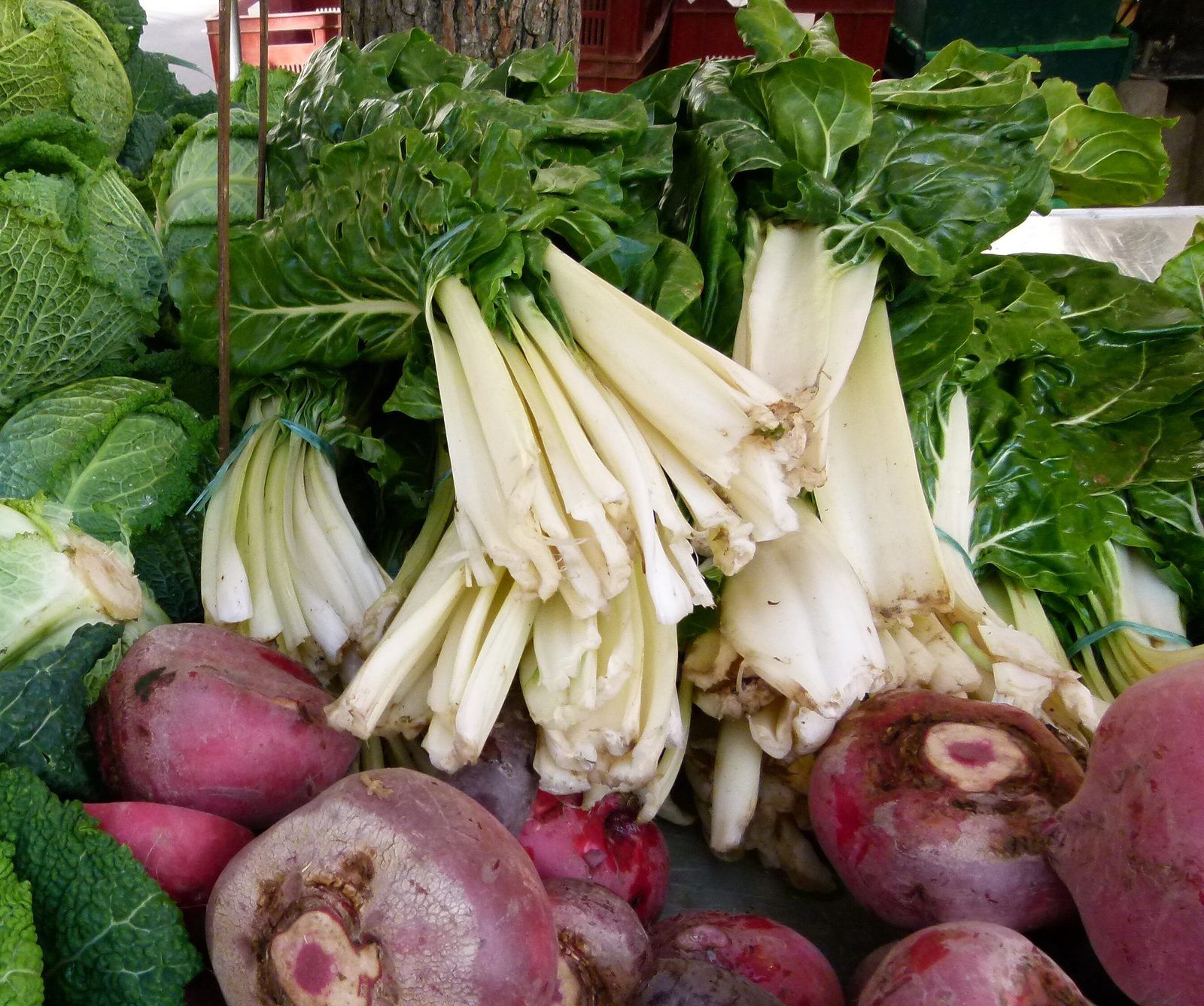
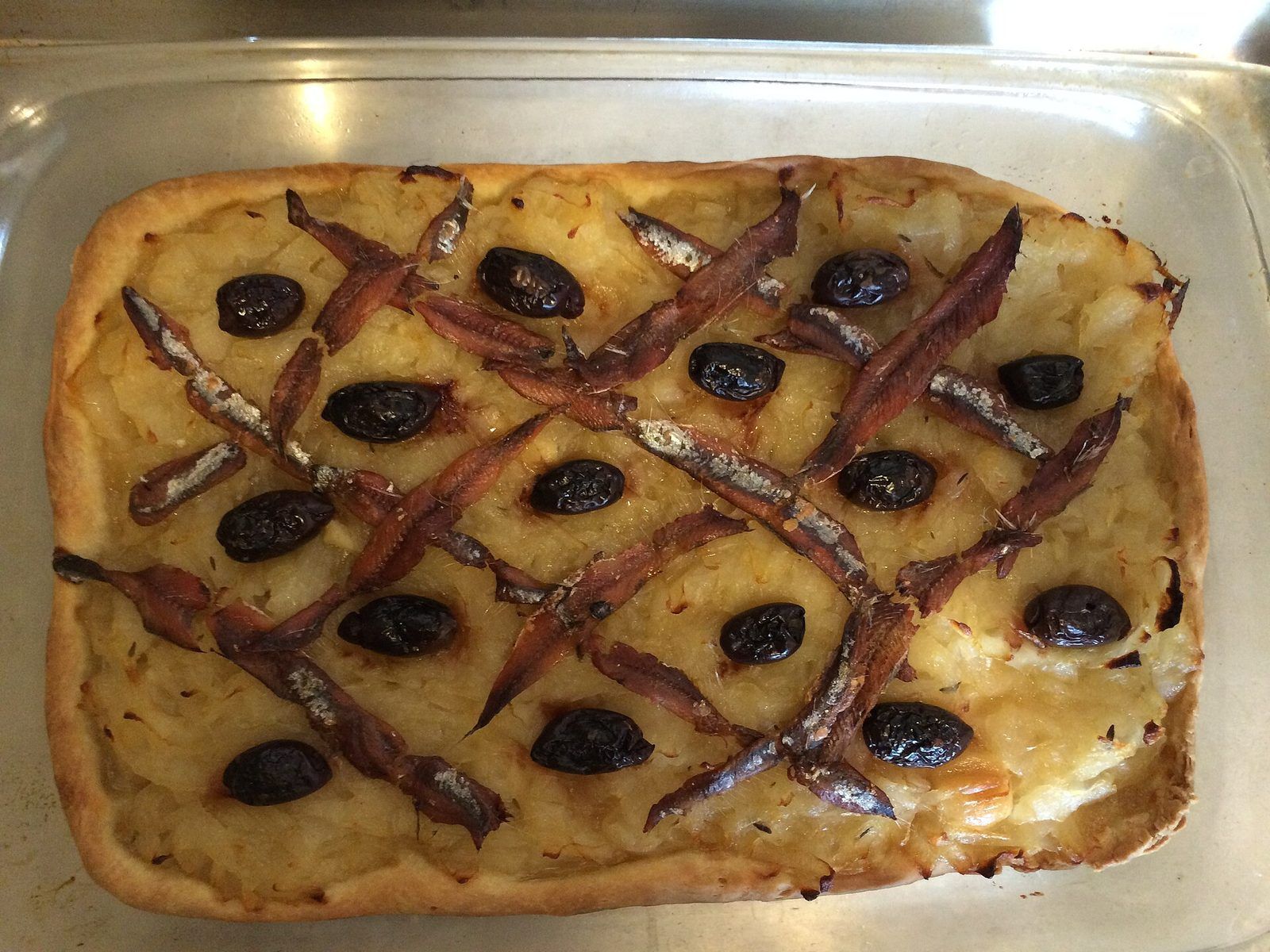
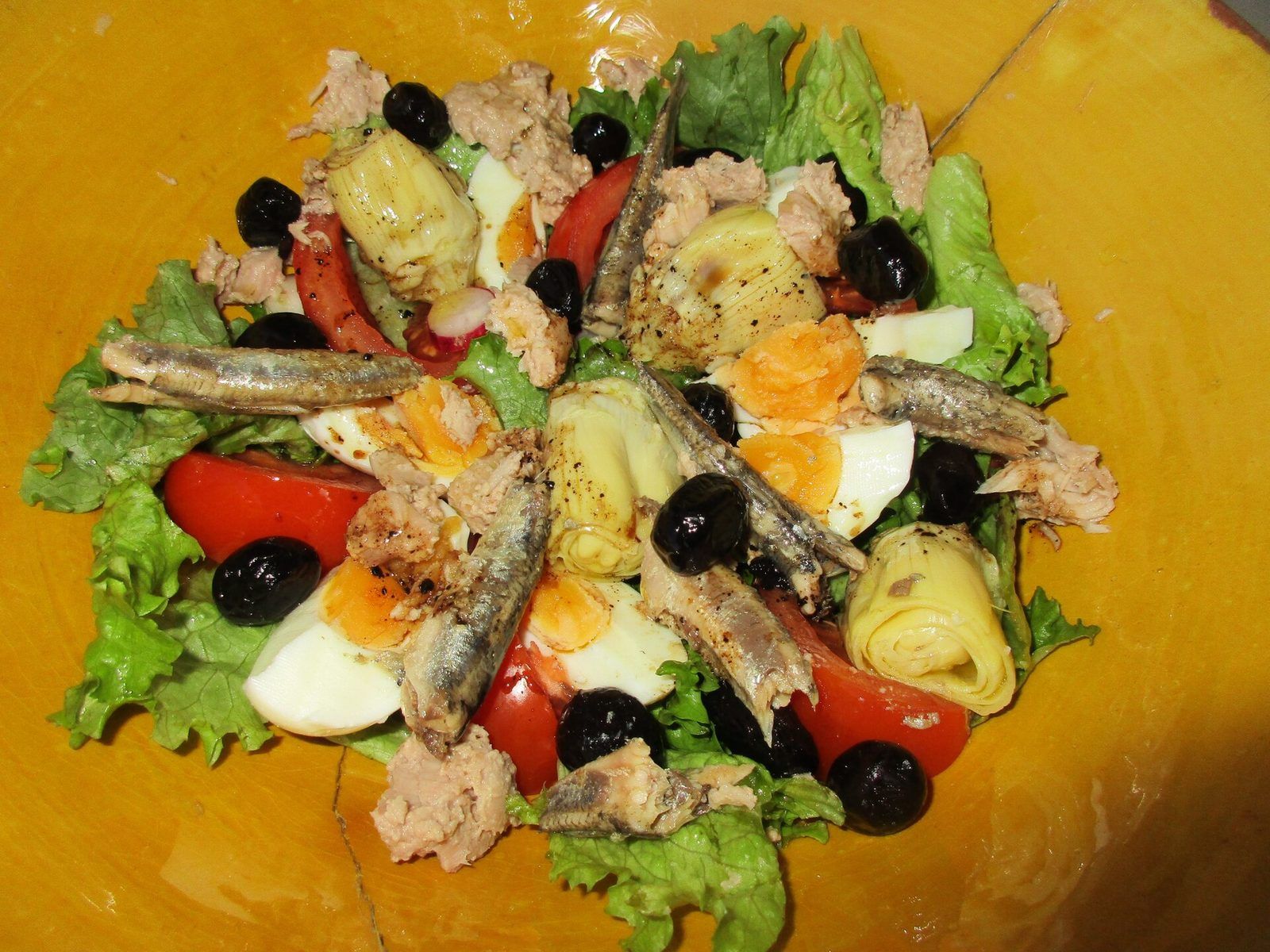
It is Provençal rather than specifically Niçois. The Cuisine Nissarde label, which the Nice tourist office awards to restaurants that serve real Niçois dishes, has no anchoïade recipe among its published ones. Nice’s link is the anchovy itself. J.-B. Reboul’s La Cuisinière provençale (1900) describes pissalat, a purée of tiny fish salted in barrels, as the speciality of fishers along the coast from Cannes to Menton. The label’s recipe for salade niçoise lays anchovies over raw celery hearts, radishes and spring onions. Anchovies also top pissaladière, and the vinaigrette for grilled Swiss chard stems pounds them with garlic and oil much as anchoïade does.
How cooks make anchoïade
The ingredients barely change. The method does, and so does the texture.
| Version | Method | Texture and flavour | Served |
|---|---|---|---|
| Reboul, La Cuisinière provençale (1900) | By hand: 7 to 8 rinsed salt anchovies, a few spoons of oil, 2 to 3 garlic cloves in tiny dice, pepper | Loose; vinegar optional | Each guest crushes the fillets onto a thick slice of bread with dipped bread squares, then the slice is toasted |
| French Cooking Academy (2020) | Mortar: fillets, garlic, shallot, parsley, 1 tbsp red wine vinegar, up to 100 ml oil | Thick paste, rested 10 to 15 min | Toast and crudités |
| Édouard Loubet, shown by François-Régis Gaudry (2020) | Blender: 6 fillets, onion, garlic, celery leaves, parsley, about 30 cl oil | Creamy emulsion like mayonnaise, no egg; 1 tsp sugar | Celery and fennel sticks |
| La méthode Cuisinier (2023) | 30 fillets and 2 garlic melted in 10 cl oil without colour, then blended | Smooth, served tiède | Carrot, endive, fennel, celery |
| Pistou and Pastis (2021) | Processor or mortar, with egg yolks and lemon, oil added slowly | Thick sauce | Vegetables, or spooned over stuffed peppers |
| Un Ptit Goût de Provence (2019) | Blender: 60 g fillets, 4 black olives, 15 cl oil, garlic, lemon, herbes de Provence | Olives, lemon and herbs in the mix | Not stated |
Reboul’s version needs no tool at all: the bread does the crushing. Loubet goes the other way. He blends the onion, garlic and herbs first, then adds the oil in a thread, and a teaspoon of sugar rounds off the fish. Pistou and Pastis binds with egg yolk, while Loubet stresses that his cream contains no egg.
Our recipe takes the mortar route of the French Cooking Academy, without shallot or egg, with Reboul’s garlic and a little vinegar. It stays loose and is made without cooking. The Academy video also makes tapenade, the black olive dip that often sits beside it.
Making it at home
Provence Web calls pounding in a mortar the traditional method, and the French Cooking Academy prefers a coarse, unpolished mortar for it. A food processor gives a finer result, and Pistou and Pastis notes that the mortar makes it harder to get the anchovies fully smooth.
Choose fillets in olive oil: the Academy warns that salt-packed ones are much saltier. They are quicker too. Salt-packed anchovies, which Loubet uses, need rinsing, filleting and soaking first. Give the dip 10 to 15 minutes of rest before serving. Keep leftovers in the fridge.
Serving anchoïade
Serve it in a small bowl with a plate of raw vegetables: carrot, celery, fennel, endive, peppers, radishes. Cauliflower and cucumber also appear in Provençal recipes. Toasted country bread, fougasse or baguette slices carry the rest. Gaudry pours a chilled rosé; Provence Web suggests a dry white such as Bandol or Cassis, or rosé.
Across the Alps, Piedmont has its own anchovy dip, bagna cauda, a hot sauce of garlic, extra-virgin olive oil and anchovies that stays simmering in an earthenware pot in the middle of the table. Diners dip raw cardoons, peppers, cabbage and spring onions, plus bread, according to the Slow Food Foundation.
Questions & answers
Can anchoïade be served warm?
Yes. The cook behind La méthode Cuisinier melts 30 fillets and 2 garlic cloves in 10 cl of olive oil over medium heat, without letting them colour, then blends the mixture and serves it tiède, which he says is how it is eaten in Provence.
What is the difference between anchoïade and tapenade?
Anchoïade is built on anchovies, garlic and olive oil. Tapenade is built on black olives, usually with capers and anchovies. The French Cooking Academy calls them a concentrate of anchovies and a concentrate of black olives.
Sources
- J.-B. Reboul, La Cuisinière provençale, 3rd edition (Marseille, Librairie P. Ruat, 1900), recipes 53 (Anchoïade) and 654 (Pissalat)
- France Inter, L'anchoïade selon Édouard Loubet, recipe by François-Régis Gaudry (YouTube, 2020)
- French Cooking Academy, Anchoiade and Tapenade (YouTube, 2020)
- La méthode Cuisinier, La Recette de l'anchoïade (YouTube, 2023)
- Pistou and Pastis, Learn How To Make Anchoiade and 2 dishes with it (YouTube, 2021)
- Un Ptit Goût de Provence, Anchoïade (YouTube, 2019)
- Provence Web, Anchoïade : la recette provençale traditionnelle
- Provence-Alpes-Côte d'Azur Tourisme, L'anchoïade
- Explore Nice Côte d'Azur, La salade niçoise (Cuisine Nissarde label recipe)
- Fondazione Slow Food, Cardo gobbo di Nizza Monferrato (on bagna cauda)