Starters
Pissaladière (Niçoise onion tart)
La pissaladiera
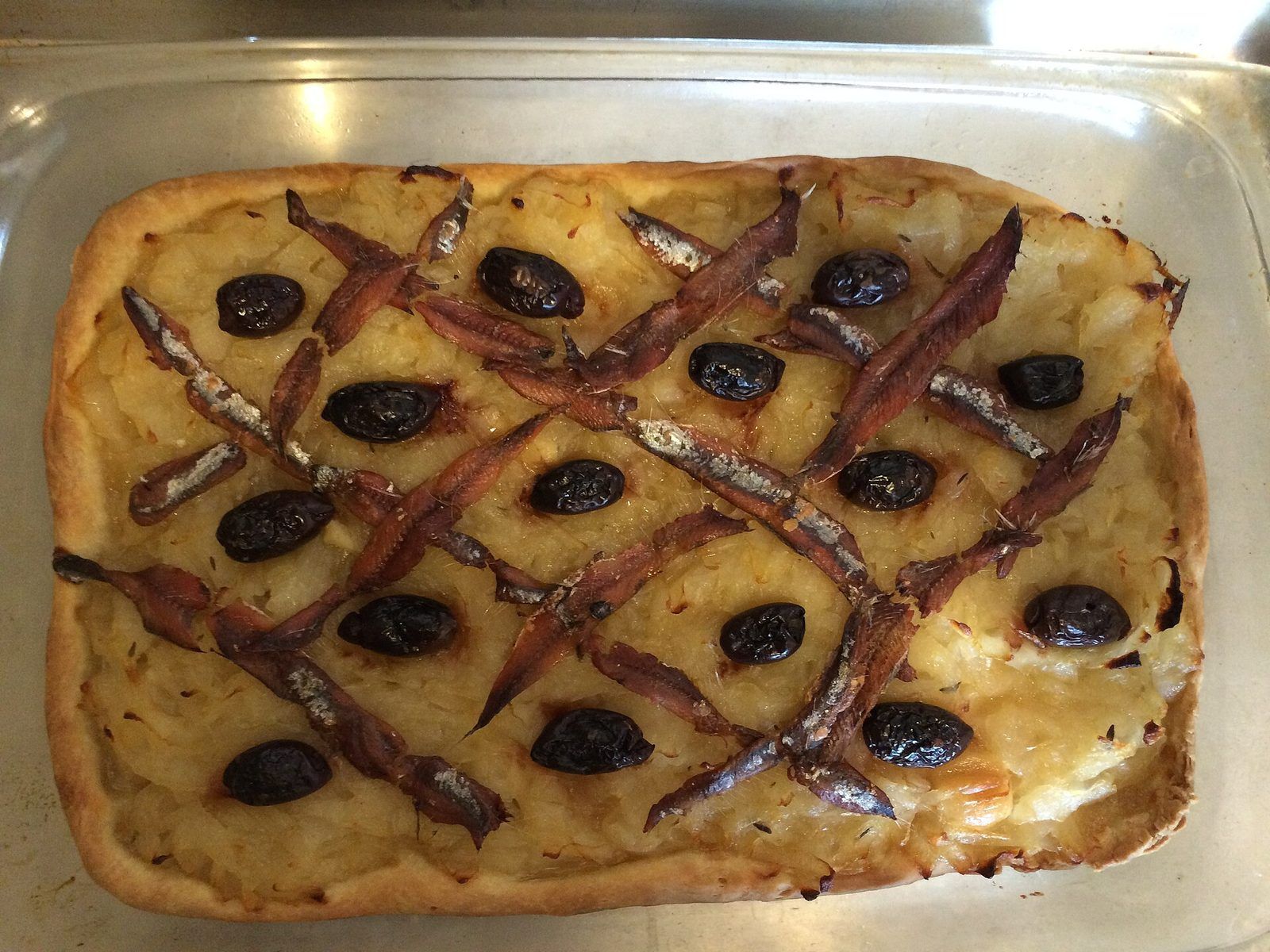
Traditional pissaladière from Nice — bread dough, onions stewed slowly in olive oil, pissalat or anchovies and small black olives. No tomato, no cheese.
Published · Updated
- Prep
- 30 min
- Cook
- 1 h 15 min
- Rest
- 1 h 30 min
- Total
- 3 h 15 min
- Serves
- 6
- Difficulty
- Medium
Method
Mix the flour, yeast and salt in a large bowl. Add the water and the 2 tbsp olive oil and stir into a shaggy dough.
Knead for 8–10 minutes until smooth and supple. Cover and leave to rise at room temperature for about 1½ hours, until doubled.
Meanwhile, halve the onions and slice them thinly from root to tip.
Warm the olive oil in a wide, heavy pan over low heat. Add the onions, thyme, bay leaf, clove if using, a small pinch of salt and some pepper.
Cover and let the onions stew very gently for 45–50 minutes, stirring every 10 minutes. They must turn soft and pale gold, never brown; add a few tablespoons of water if they start to catch.
Uncover for the last 10 minutes so any remaining liquid evaporates. Remove the herbs and the clove.
Off the heat, stir the pissalat into the onions. If using anchovy fillets, rinse salted ones, then mash them with a fork before stirring them in. Taste before adding any more salt.
Heat the oven to 220 °C (430 °F). Oil a 30 × 40 cm (12 × 16 in) baking tray.
Stretch the dough on the tray with your fingertips to about 5 mm (¼ in) thick, pushing it into the corners. Let it rest for 15 minutes.
Spread the onions evenly over the dough, leaving a narrow border. Press the olives lightly into the onions.
Bake on the lowest shelf for 25–30 minutes, until the edges are golden and the base is crisp underneath.
Drizzle with a thread of olive oil and grind over some pepper. Serve warm or at room temperature, cut into squares.
Tips
- Slice the onions evenly and cook them slowly — the whole character of the tart comes from their soft, sweet texture.
- Pissalat and anchovies are both salty; season the onions only lightly until the anchovy element is in.
- The onions can be cooked a day ahead and kept in the fridge. Bring them back to room temperature before spreading.
Watch it being made
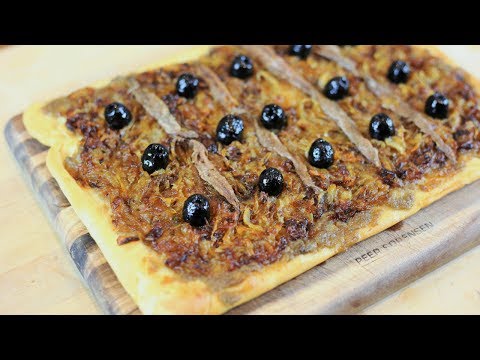
How To Make A Pissaladière - South Of France Recipe — French Cooking Academy (YouTube). The player loads only when you press play.
An onion tart from the bakeries of Nice
Pissaladière — la pissaladiera in Niçois — is one of the everyday foods of Nice. Bakeries in the old town bake it in large rectangular trays and sell it by the slice, alongside socca and other savoury tarts, and it is just as often made at home for lunch or as a starter. Its ingredients are few and cheap: bread dough, a great deal of onion, olive oil, olives and a little salted fish.
Pissalat, the ingredient behind the name
The name is usually traced to pissalat, from the Niçois words for salted fish. Traditionally it is made from poutina, the tiny fry of sardines and anchovies, layered with salt, bay, clove and pepper and left to mature, stirred from time to time, until it becomes a thick, pungent paste. Only a spoonful or two is needed, mixed into the onions or brushed over the dough.
Poutina fishing is tightly regulated and allowed only for a short season, so pissalat is hard to find outside Nice. Anchovy fillets, mashed into the onions or laid over the top, are the usual replacement. Anchovy paste in a tube can stand in at a pinch, but taste it first: brands vary a great deal in saltiness.
Not a pizza
Pissaladière is sometimes described as an onion pizza, but the two are different dishes. There is no tomato and no cheese. The base is thicker and softer than pizza, and the topping is not a scattering of ingredients but a generous layer of onions stewed until they almost melt. The olives go on whole, with their stones.
Choosing the ingredients
- Onions: ordinary yellow onions are ideal. Sweet onions work but give off more water, so allow extra time to evaporate it.
- Olives: small black Niçoise olives from the Cailletier tree. If you cannot find them, choose small, naturally cured black olives rather than large pitted ones.
- Dough: bread dough from a good baker is perfectly traditional. The home-made version above takes a few minutes of kneading and gives a soft crumb with a crisp base.
Variations
Some cooks lay anchovy fillets over the onions in a lattice and put an olive in each diamond — a presentation common in the rest of Provence. A little rosemary can join the thyme in the pan, and a clove of garlic is sometimes cooked with the onions. Individual pissaladières, made on small rounds of dough, are practical for picnics.
Serving
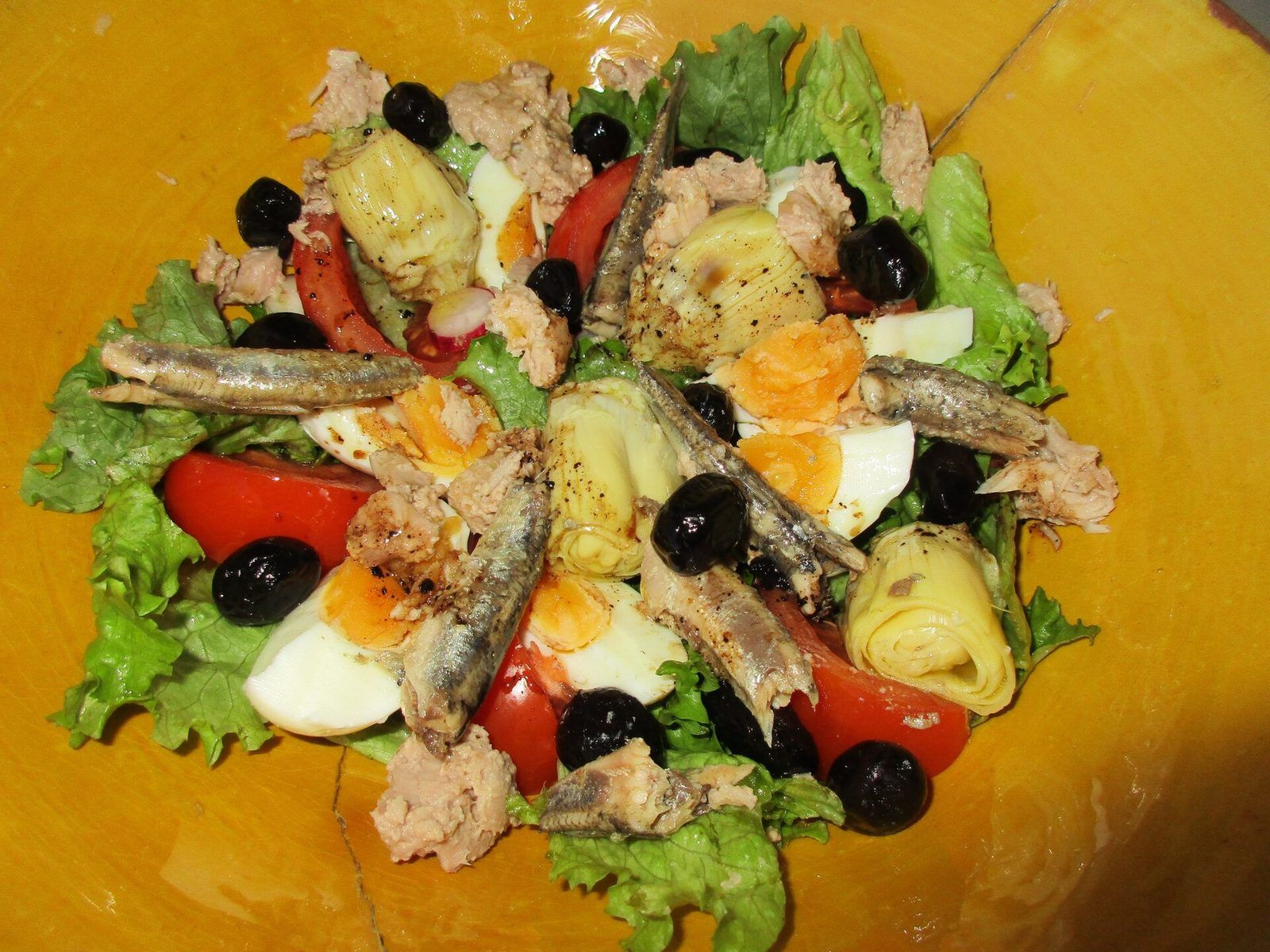
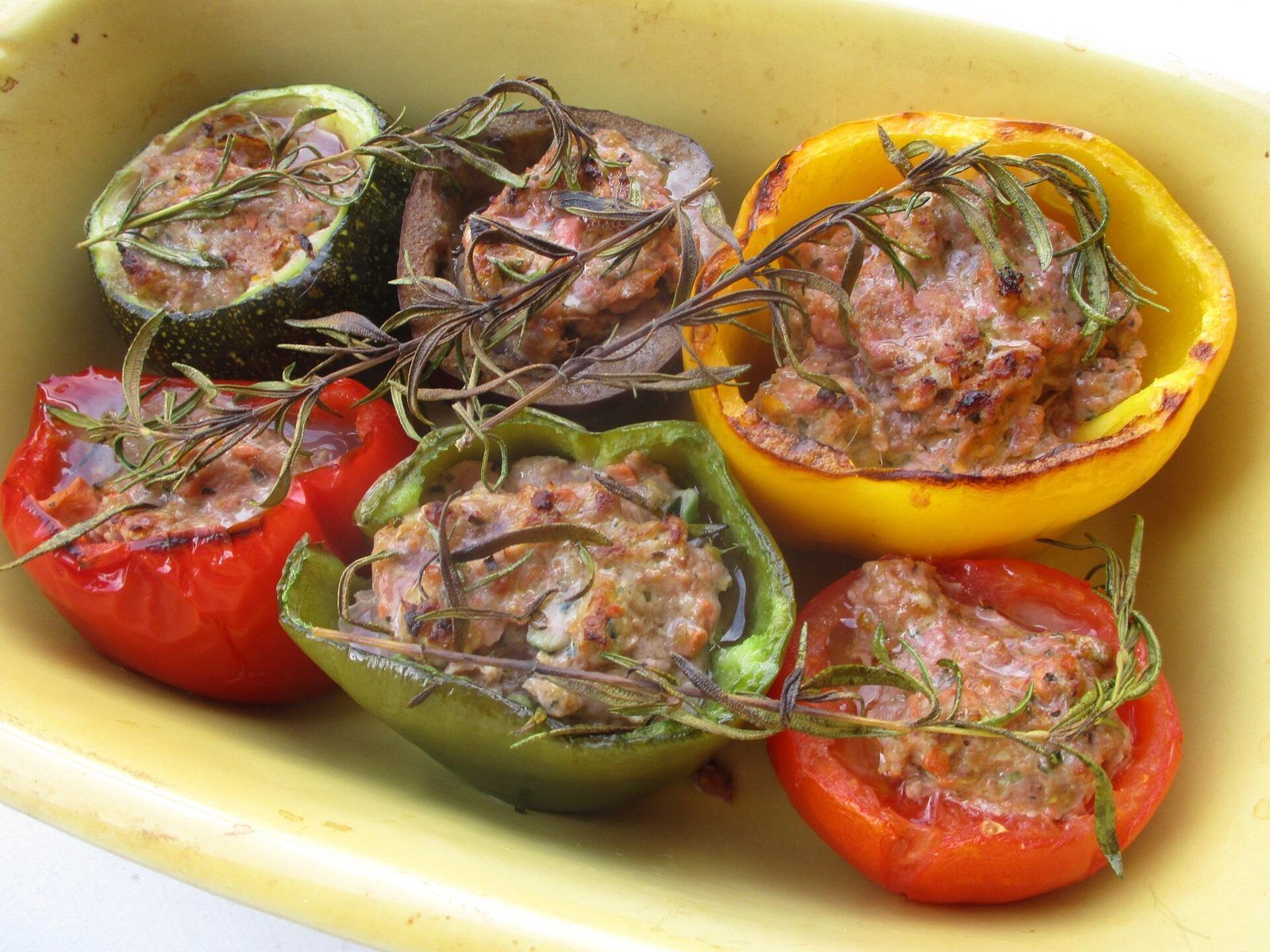
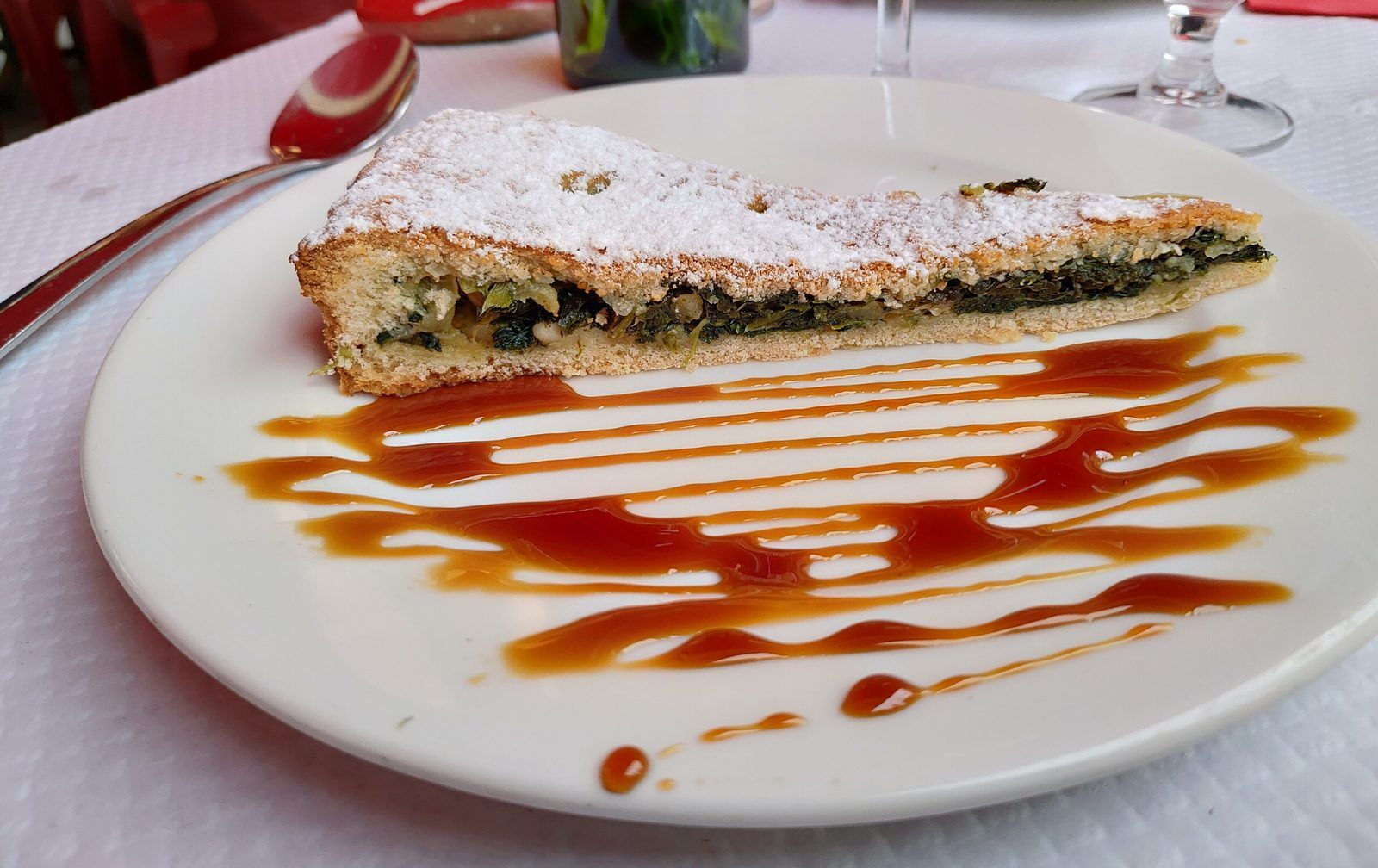
Pissaladière is eaten warm or at room temperature, rarely hot from the oven. Serve it with a green salad or a salade niçoise for lunch, or cut into small squares with an aperitif. A chilled rosé or a light red suits the sweetness of the onions. For a Niçoise spread, add stuffed vegetables and finish with a slice of sweet Swiss chard pie.
Questions & answers
What is pissalat?
A paste of tiny fish (traditionally the fry the Niçois call poutina) salted with herbs and spices and left to mature for several weeks. It gives pissaladière its name. Mashed anchovy fillets are the usual substitute.
What is the difference between pissaladière and pizza?
Pissaladière has no tomato and no cheese. Its topping is a thick layer of slowly stewed onions seasoned with pissalat or anchovies, and it is baked on a thicker bread dough, usually in a rectangular tray.
Can I use puff pastry or shortcrust instead of bread dough?
Bread dough is traditional in Nice. Some families use an unleavened olive-oil dough, which is crisper. Puff pastry makes a pleasant tart but not a real pissaladière.