Desserts
Tourta de blea (sweet Swiss chard pie)
La tourta de blea
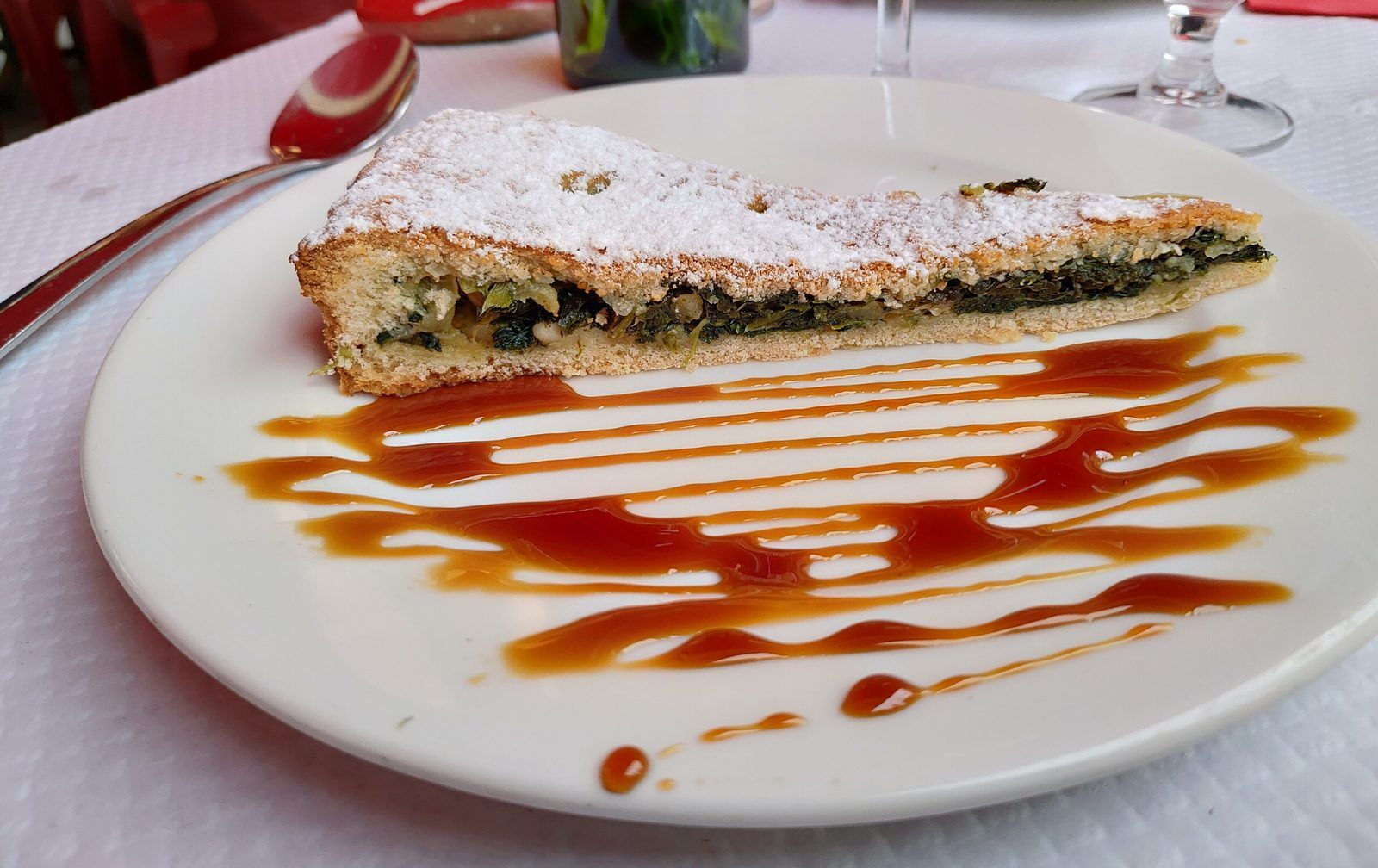
The sweet Swiss chard pie of Nice — chard leaves with rum-soaked raisins, pine nuts, apples and a little Parmesan in a sweet crust. A Niçoise classic.
Published · Updated
- Prep
- 50 min
- Cook
- 45 min
- Rest
- 1 h
- Total
- 2 h 35 min
- Serves
- 8
- Difficulty
- Medium
Method
Soak the raisins in the rum or marc for at least 30 minutes.
For the pastry, mix the flour, sugar, salt and lemon zest. Rub in the butter with your fingertips until the mixture looks sandy (or stir in the olive oil).
Add the eggs and bring the dough together, adding a little cold water only if it is too dry. Do not knead more than needed. Wrap and chill for 30 minutes.
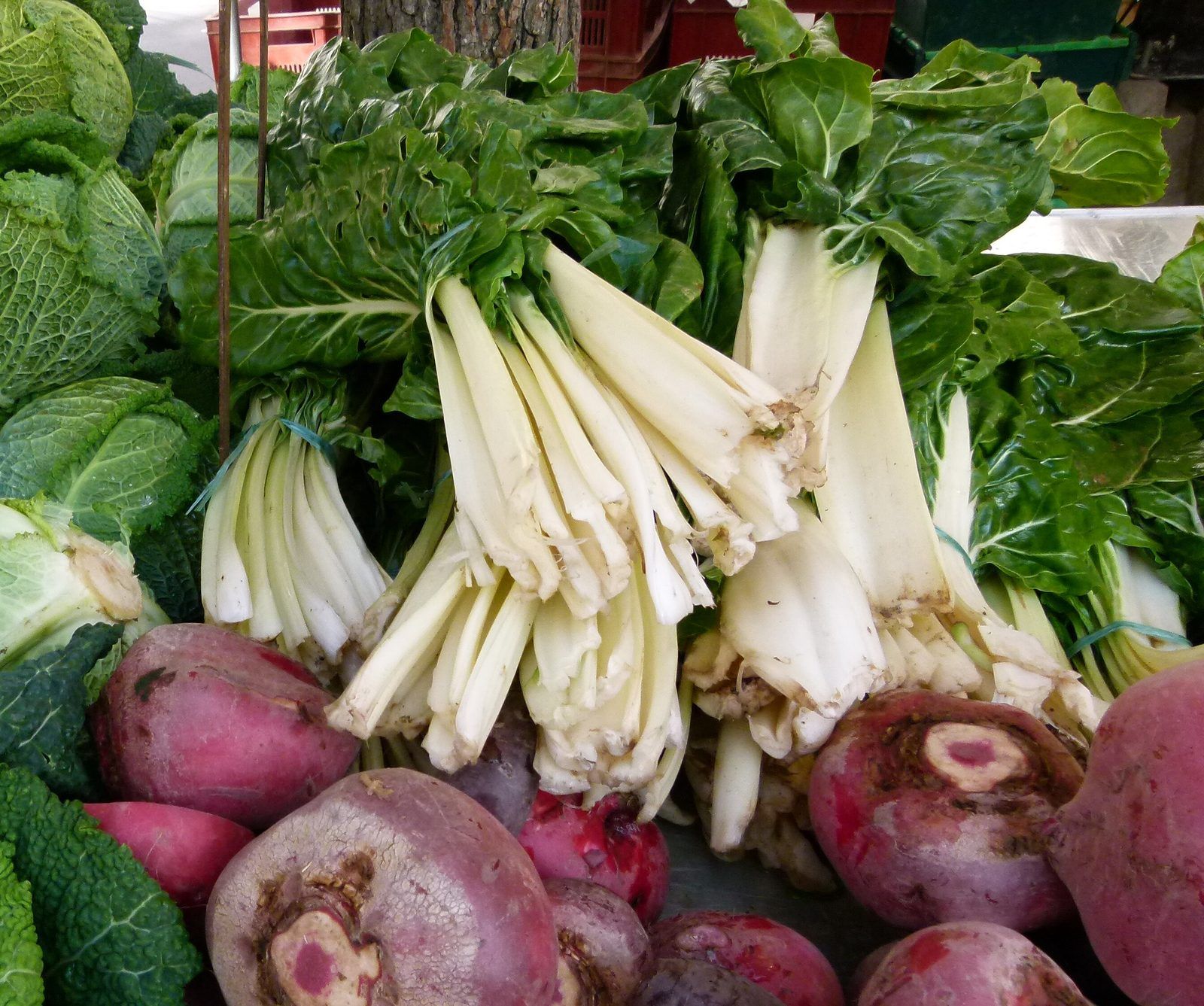
Cut the stems away from the chard and keep them for another dish. Wash the leaves, stack and roll them, then slice them into very thin ribbons.
Wash the shredded leaves in several changes of cold water until it runs almost clear, then squeeze them firmly by handfuls, or in a clean towel, to remove as much water as possible.
In a large bowl, beat the eggs with the brown sugar. Add the Parmesan, olive oil, raisins with their soaking liquid and the pine nuts, then mix in the chard.
Heat the oven to 180 °C (350 °F). Peel, core and thinly slice the apples or pears.
Roll out two thirds of the pastry and line a buttered 26–28 cm (10–11 in) pie dish, leaving a little overhang.
Lay half the fruit slices on the base, spread the chard filling on top and finish with the rest of the fruit.
Roll out the remaining pastry for the lid. Moisten the edges, cover the pie, press the edges together to seal and trim. Prick the top several times with a fork.
Bake for 40–45 minutes, until the crust is golden.
Dust generously with icing sugar while the pie is still warm, then leave it to cool completely before cutting.
Tips
- Use only the green leaves. The stems are too watery for the pie and are excellent grilled or gratinated.
- Squeezing the chard well is the key step. Leftover water makes the filling soggy and brings out a grassy taste.
- The pie is at its best at room temperature and often tastes even better the next day. It keeps for 2–3 days, covered, in a cool place.
Watch it being made

Recette : tourte de blettes aux raisins et aux pignons - Les carnets de Julie — Les Carnets de Julie - France Télévisions (YouTube). The player loads only when you press play.
A dessert made from a vegetable
Of all the dishes of Nice, la tourta de blea is the one that surprises visitors most: a sweet pie filled with Swiss chard. Blea is the Niçois word for chard, a vegetable that has long grown in every kitchen garden around Nice and appears everywhere in local cooking — in omelettes, in stuffings for ravioli and vegetables, and in savoury tarts. The sweet version is sold in Nice bakeries and at the market, cut into generous wedges and dusted with icing sugar.
Mixing leafy greens with sugar, dried fruit and cheese may seem odd today, but it belongs to an old Mediterranean way of cooking in which sweet and savoury were less strictly separated. Nice also has a savoury chard pie, usually made with eggs, rice and cheese; this recipe is for the sweet one.
Leaves only
The pie uses only the green part of the chard. The white stems are far too watery for the filling, but nothing is wasted: they are delicious grilled with an anchovy vinaigrette or baked in a gratin. The leaves are shredded, washed and squeezed hard. This long-established step removes excess water and the slight bitterness of the raw leaves, leaving a soft, mild green filling.
Choosing the ingredients
- Chard: choose a bunch with large, glossy, unblemished leaves. You need roughly twice the weight you will use, as the stems account for much of it.
- Raisins and alcohol: rum is the most common choice; marc, the local grape brandy, is the older, more rustic option.
- Pine nuts: from the stone pines of the Mediterranean coast, lightly toasted if you like a nuttier taste.
- Fruit: apples, such as Reinette, are usual; firm pears work well too. They add moisture and a clean fruity note.
- Pastry: butter gives a crumbly shortcrust; olive oil gives a crisper crust with a slight fruity taste, closer to older country versions.
Variations
Recipes vary from family to family. Some add a little lemon zest or orange blossom water to the filling, others a few diced dried figs. The amount of sugar and Parmesan is a matter of taste: reduce the sugar if your apples are sweet, and add a little more Parmesan if you like the savoury note. Some cooks leave out the fruit altogether and let the chard, raisins and pine nuts speak for themselves.
Serving
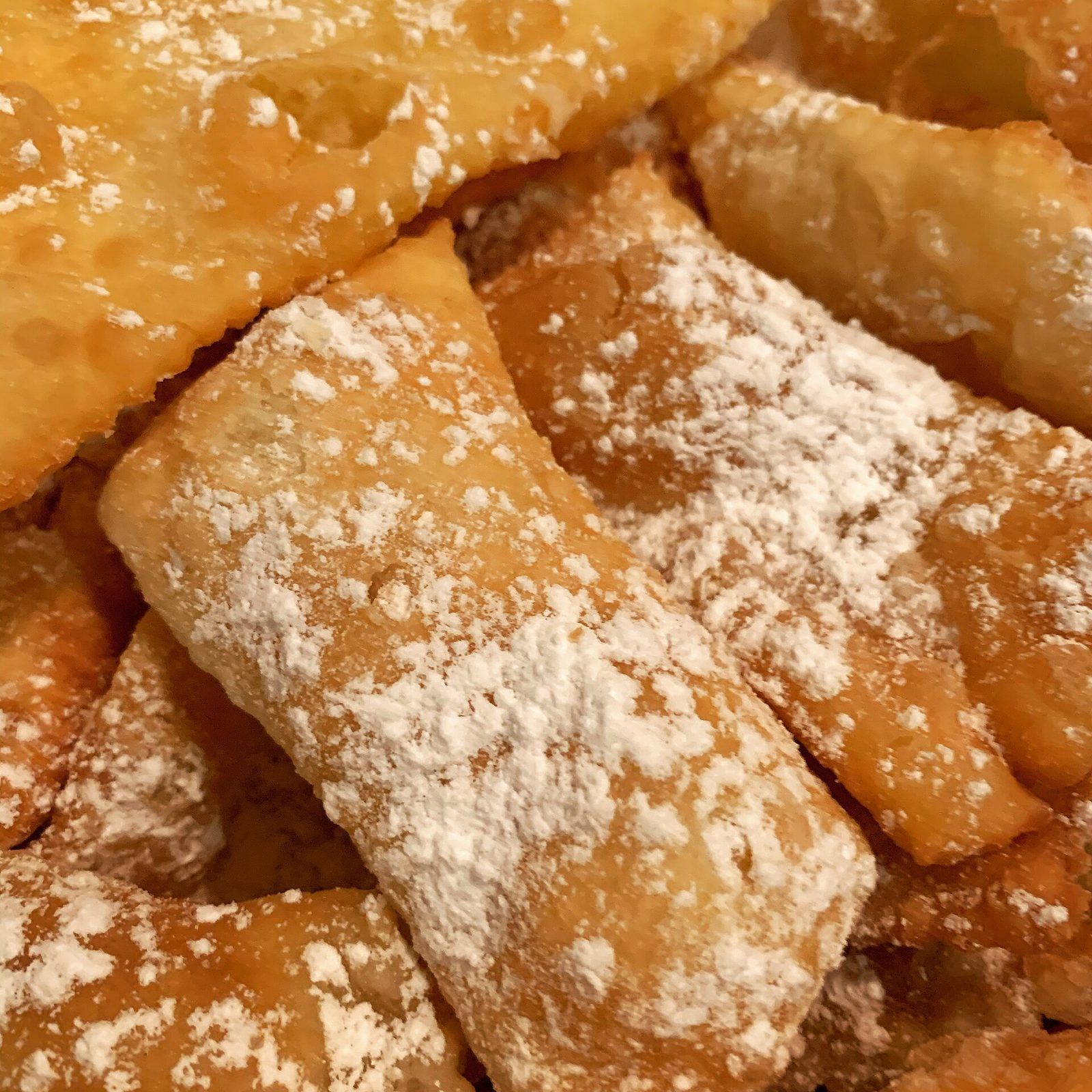
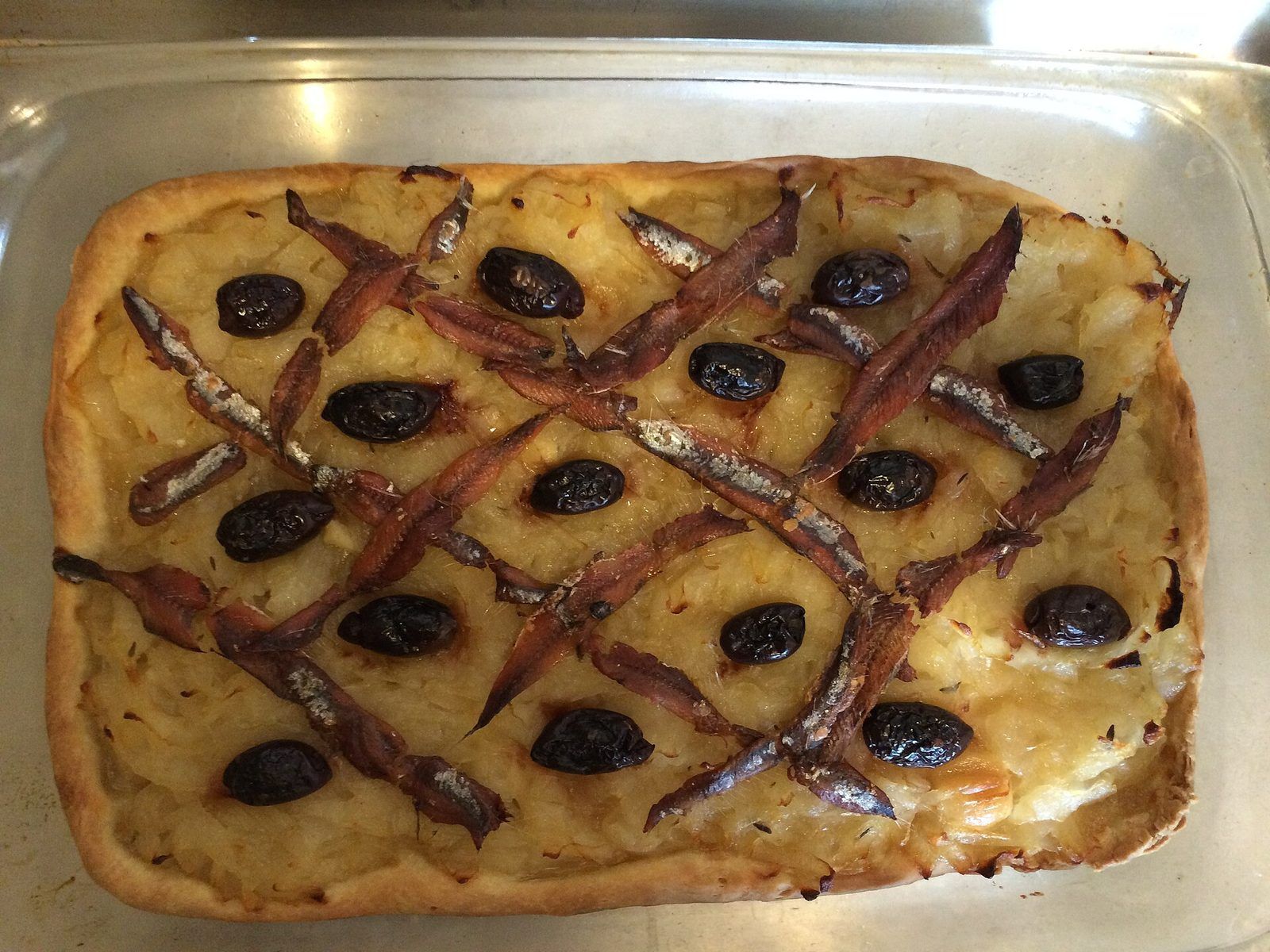
Serve the pie at room temperature, never hot, with coffee or as the end of a Niçoise lunch after a pissaladière. It also travels well and makes a good picnic dessert. If you like old Nice sweets, try the ganses, the light fried pastries of carnival time.
Questions & answers
Does sweet Swiss chard pie really taste of chard?
Only faintly. Well squeezed, the leaves give a soft green texture and a mild, fresh note behind the sugar, raisins, pine nuts and rum. Most people are surprised by how much it tastes like a fruit pie.
Why is there Parmesan in a dessert?
Many traditional Niçoise recipes include a little grated Parmesan. It adds a light savoury depth that balances the sugar. You can leave it out, but the pie will taste flatter.
Can I use spinach instead of Swiss chard?
Spinach works as a substitute, but it holds more water and has a stronger taste. Squeeze it very thoroughly. Chard remains the real thing.