Desserts
Ganses (Niçoise carnival fritters)
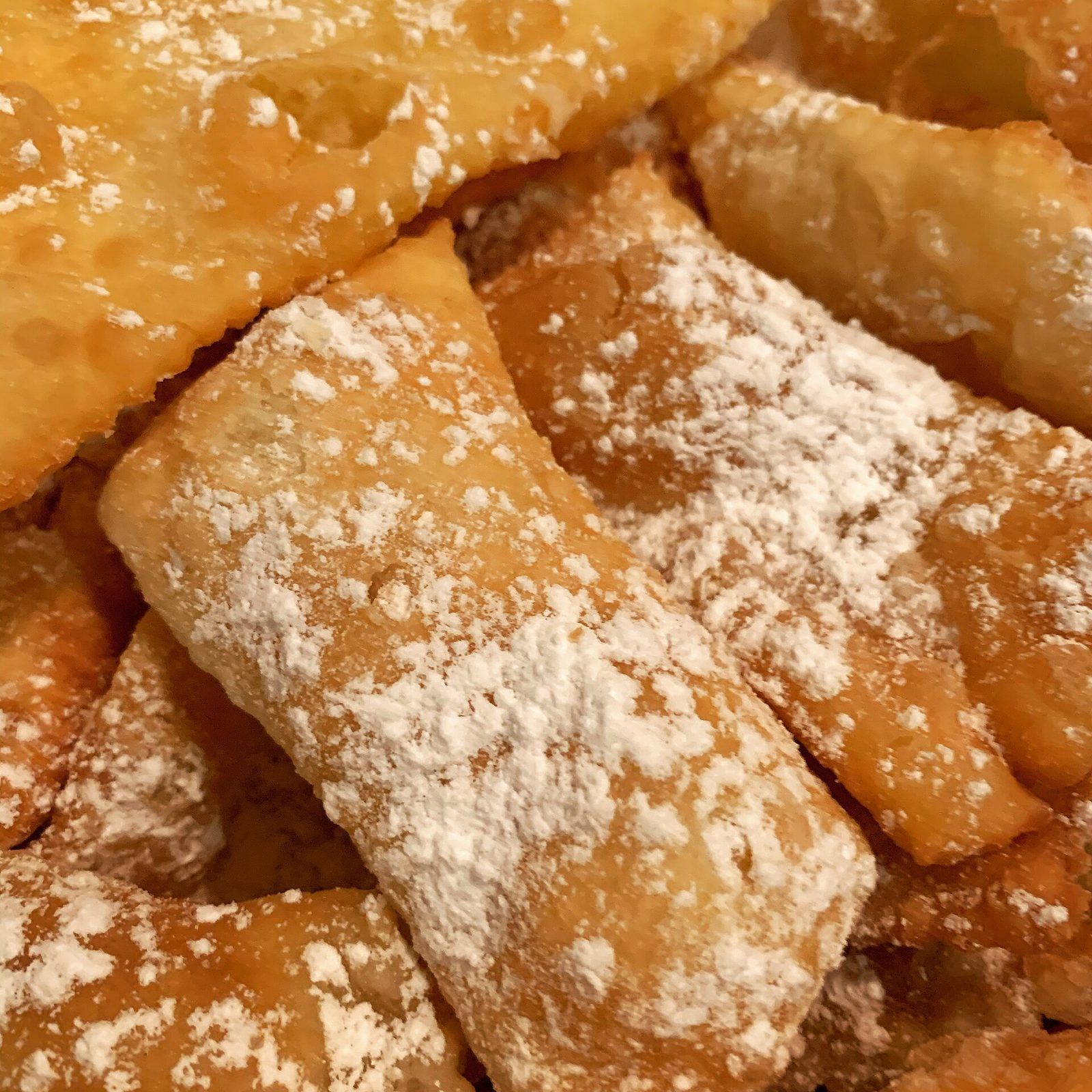
Ganses, the Carnival fritters of Nice — thin knots of dough scented with orange-blossom water and lemon zest, fried until crisp and dusted with sugar.
Published · Updated
- Prep
- 40 min
- Cook
- 25 min
- Rest
- 30 min
- Total
- 1 h 35 min
- Serves
- About 600 g (1 ¼ lb) of ganses
- Difficulty
- Medium
Method
Sift the flour, baking powder and salt into a mixing bowl and stir in the sugar. Rub in the butter with your fingertips until the mixture looks like coarse sand.
Add the beaten eggs, lemon zest and orange-blossom water and mix with your hand into a ball. Add milk a spoonful at a time, only if needed, until the dough is smooth and supple but not sticky.
Knead briefly on the work surface for 1–2 minutes, wrap the dough and leave it to rest for 30 minutes at room temperature.
Divide the dough into 3 pieces. On a lightly floured surface, roll each one out very thinly, to about 1–2 mm (1/16 inch).
Cut the dough into strips about 3 × 10 cm (1 ¼ × 4 inches), ideally with a fluted pastry wheel. Make a 3 cm (1 ¼ inch) slit lengthwise in the middle of each strip and pull one end through it to form a loose knot. Alternatively, cut triangles and fold the tip towards the centre.
Heat the oil in a deep pan to 175 °C (350 °F), at least 3 cm (1 ¼ inches) deep. Fry the ganses a few at a time for about 1 minute per side, until puffed and golden.
Lift them out with a slotted spoon, drain on paper towels and dust generously with powdered sugar while still warm.
Tips
- Roll the dough as thinly as you can. Thin ganses are light and crisp; thick ones turn bready.
- Keep the oil temperature steady. Too cool and the ganses soak up oil; too hot and they brown before they puff.
- They keep for 2–3 days in an airtight tin. If you plan to store them, dust with sugar just before serving.
- Every family has its own version. Some cooks add a spoonful of rum or other spirit to the dough, or whisk the egg whites separately for an even lighter result.
Watch it being made

Ganses: les beignets incontournables du Carnaval de Nice — BFM COTE D'AZUR (YouTube). The player loads only when you press play.
The fritters of Carnival
In Nice, Carnival season in February means parades, flower battles and, in bakeries and home kitchens, piles of ganses: thin knots or ribbons of fried dough, crisp and blistered, hidden under a snowfall of powdered sugar. They are eaten with the fingers, often straight from a paper bag, and they leave sugar on everything.
Fried pastries have been made across France and Italy in the days before Lent for a very long time. The usual explanation is a practical one: before the weeks of fasting, households used up their eggs, butter and fat. Each region gave the same idea its own shape and name. In Nice they are ganses; in Lyon, bugnes; in Montpellier, oreillettes; in the South-West, merveilles; across the border in Italy, chiacchiere or frappe. The name ganse is the French word for a braided cord or trim, which probably refers to the knotted shape of the pastry.
What makes a good ganse
A good ganse is thin, light and crisp, with a few golden bubbles on its surface. Three things matter:
- Rolling: roll the dough as thinly as you can, about 1–2 mm. It puffs up in the oil.
- Flavour: the orange-blossom water and the lemon zest are what make the ganses taste of Nice. Use real orange-blossom water, found in pharmacies and grocery stores in France, and an unwaxed lemon.
- Frying: use plenty of oil at a steady temperature and fry only a few at a time, so the oil stays hot.
Shapes and variations
The classic shape is a strip of dough with a slit in the middle, one end pulled through to make a loose knot. Diamonds, triangles with the tip folded in, or simple ribbons cut with a fluted wheel are just as traditional. There is no single recipe: some cooks leave out the baking powder for a firmer, crunchier ganse, others whisk the egg whites into a foam for a lighter one, and many add a splash of rum or other spirit to the dough. Olive oil gives a fruity taste; a neutral oil keeps the flavour of orange blossom in front.
Serving
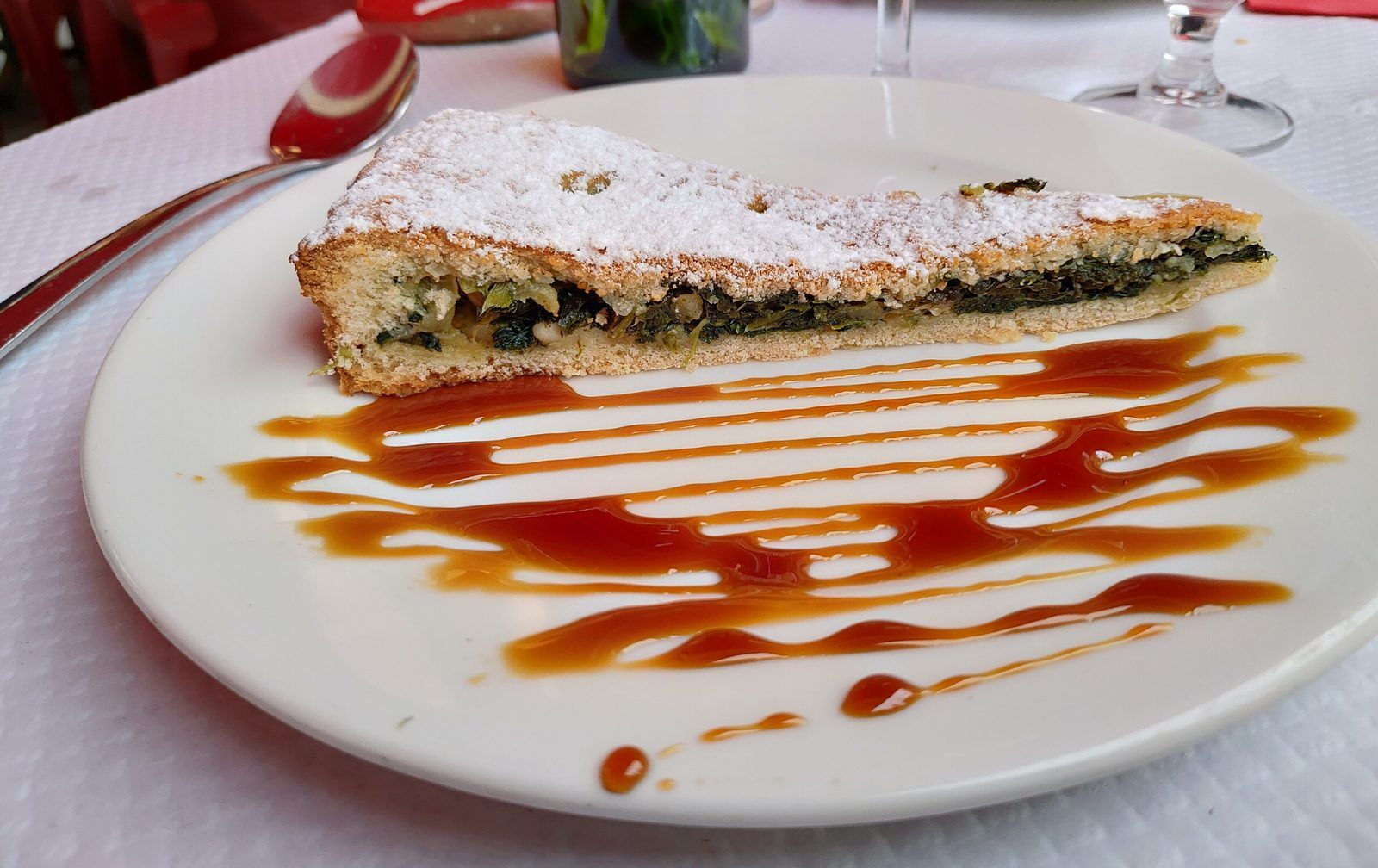
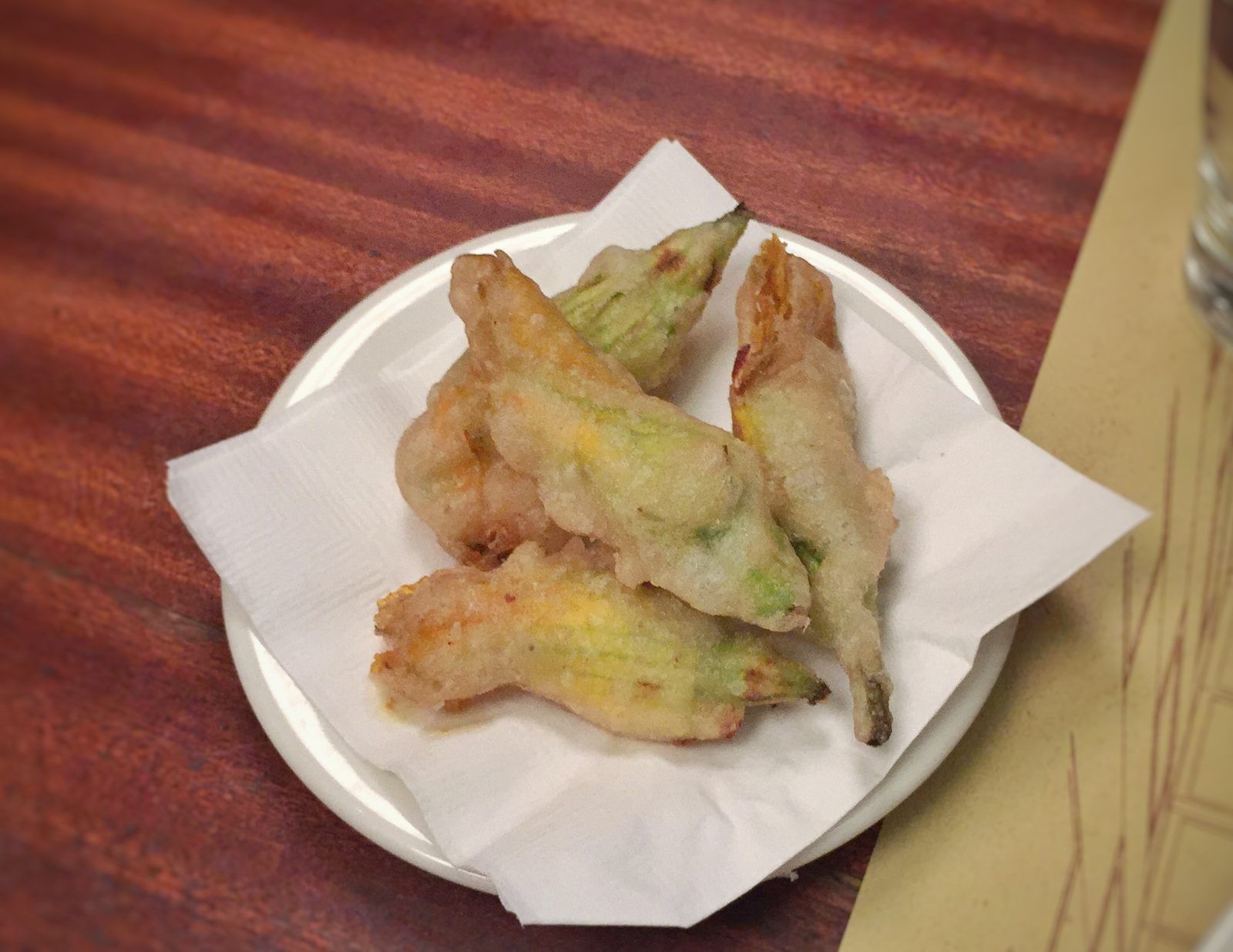
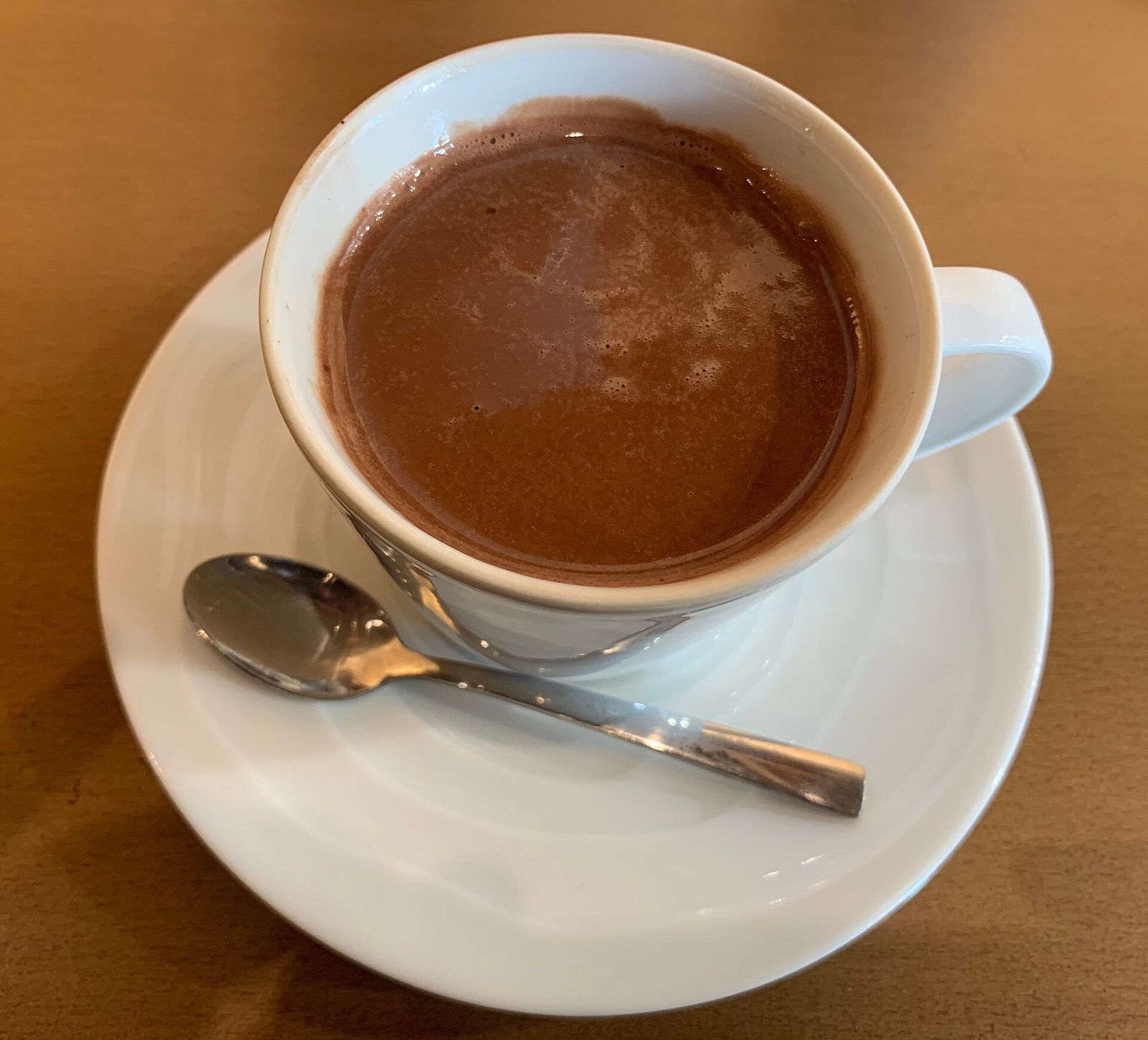
Serve ganses warm or at room temperature, piled high on a plate, with plenty of powdered sugar. In winter they go perfectly with a cup of thick French hot chocolate. For a Niçoise dessert table, set them next to a sweet tourta de blea, the local Swiss chard pie. And if you like the idea of fried flowers as much as fried dough, try the savoury zucchini blossom fritters.
Questions & answers
What is the difference between ganses, bugnes and merveilles?
They are close cousins, all thin fried pastries made around Carnival. Ganses belong to Nice, bugnes to Lyon, merveilles to the South-West and oreillettes to Languedoc. Recipes vary as much between families as between towns.
Can I bake ganses instead of frying them?
You can bake the dough, but you will get crisp sugar biscuits, not ganses. The puffed, blistered texture comes from frying.
Why are my ganses hard?
Usually the dough was rolled too thick or overworked. Roll it to 1–2 mm and knead only until smooth.