Beverages
French hot chocolate (chocolat chaud à l’ancienne)
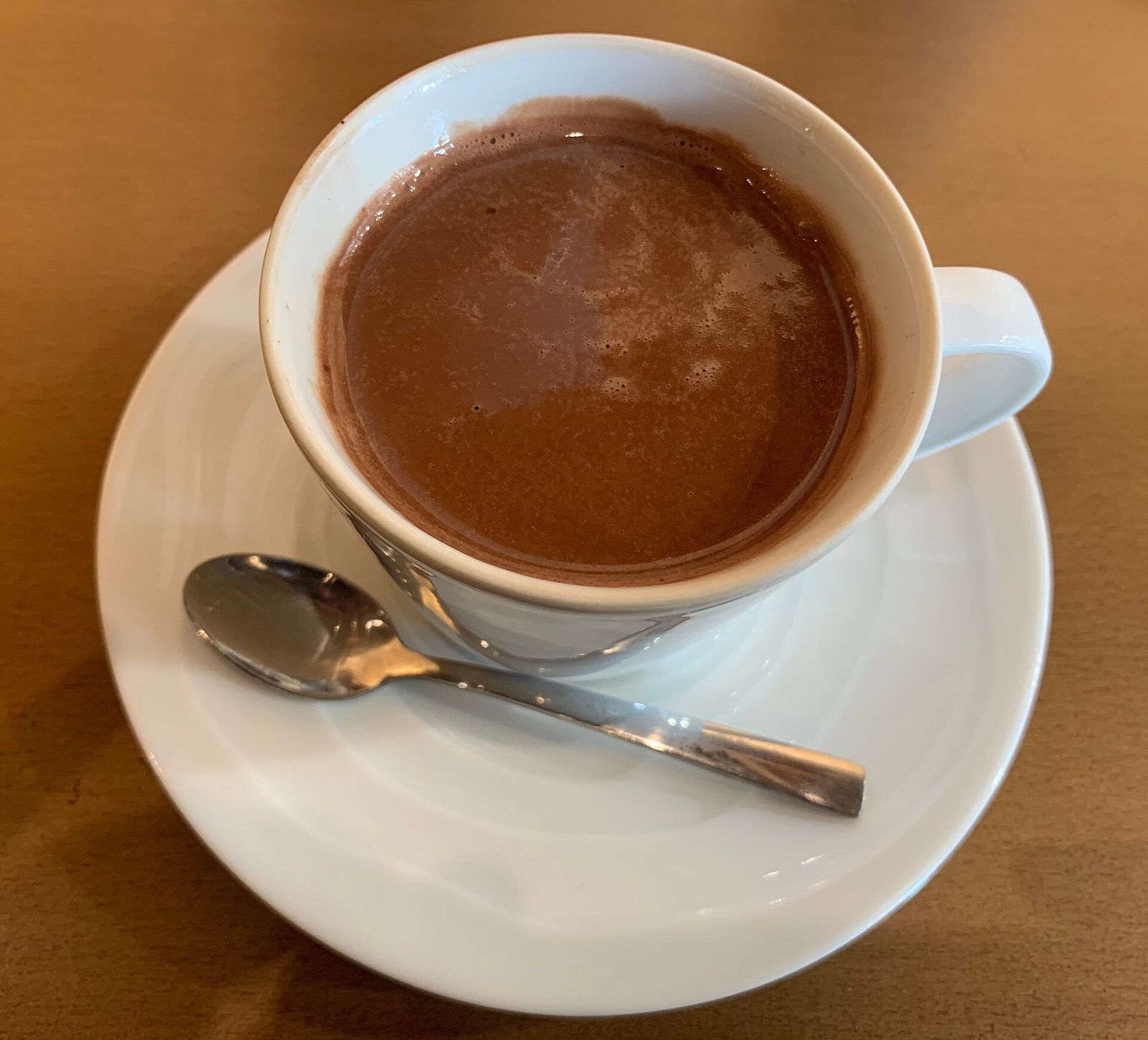
Thick, velvety French hot chocolate made the old-fashioned way with real dark chocolate, whole milk and a little cream, whisked until smooth and glossy.
Published · Updated
- Prep
- 5 min
- Cook
- 10 min
- Total
- 15 min
- Serves
- 2
- Difficulty
- Easy
Method
Chop the chocolate finely with a large knife so that it melts quickly and evenly.
Pour the milk and cream into a heavy-based saucepan and heat over medium heat until small bubbles appear around the edge. Do not let it boil.
Take the pan off the heat, add the chocolate and leave it for 1 minute, then whisk until completely melted and smooth.
Return the pan to low heat and add the sugar and salt. Whisk constantly for 3–5 minutes, letting the chocolate just tremble at a bare simmer, until it thickens slightly and coats the back of a spoon.
If making whipped cream, whisk the cold cream with the icing sugar in a chilled bowl until it holds soft peaks.
Warm the cups with hot water and empty them. Whisk the chocolate vigorously once more to make it frothy, pour it into the cups and top with a spoonful of whipped cream if you like.
Tips
- The chocolate you use is the chocolate you taste. Choose one you would happily eat on its own, and avoid chocolate chips, which contain stabilisers that stop them melting smoothly.
- For a very thick, almost spoonable chocolate, increase the chocolate to 130 g (4½ oz) or simmer a few minutes longer.
- A stick blender, used for a few seconds just before serving, gives a light, foamy top.
- Leftover hot chocolate keeps for 2 days in the fridge. Reheat it gently, whisking, and add a splash of milk if it has thickened too much.
Watch it being made
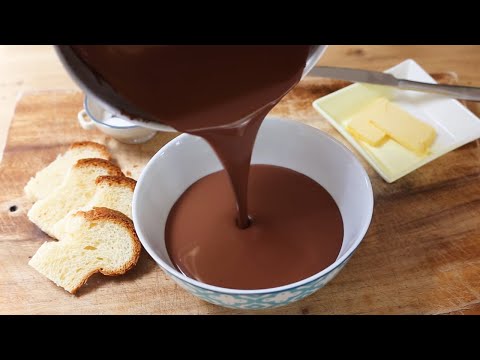
How to Master Real Chocolat Chaud at Home — French Cooking Academy (YouTube). The player loads only when you press play.
Not Niçois, but very French
Let us be honest from the start: hot chocolate is not a speciality of Nice. There is no Niçoise recipe for it and no local tradition to speak of. It is a French classic, served in cafés and tea rooms all over the country and made in family kitchens on cold afternoons. Winters on the Riviera are mild, but when the wind blows down from the Alps and the sea turns grey, a cup of thick chocolate is as welcome in Nice as anywhere else.
In Europe, chocolate was drunk long before it was eaten. It reached France in the seventeenth century as a luxurious drink, prepared from cocoa paste and served at court and in fashionable houses. The town of Bayonne, in the Basque Country, is often cited as one of the first places in France where chocolate was made. The phrase à l’ancienne — “the old-fashioned way” — refers to that heritage: chocolate melted into hot milk rather than a powder stirred into it.
Choosing the chocolate
Everything depends on the chocolate. A dark chocolate with 60–70% cocoa gives a deep flavour with enough sweetness; above 70%, you will probably want a little more sugar. Good bars or chocolate pistoles (small discs sold for baking) melt more smoothly than supermarket chocolate chips. Whole milk is essential for texture; the cream is optional but gives the thick, coating consistency that the French call onctueux.
Variations
- Spiced: infuse a cinnamon stick, a strip of orange zest or a split vanilla pod in the milk while it heats, then remove it before adding the chocolate.
- Extra thick: add 1 tsp cornflour (cornstarch) mixed with a spoonful of cold milk and simmer for 2 minutes, whisking.
- Milk or mixed chocolate: replace part of the dark chocolate with milk chocolate for children, and reduce the sugar.
- Viennese style: top the cup with a generous swirl of whipped cream and a little grated chocolate.
Serving
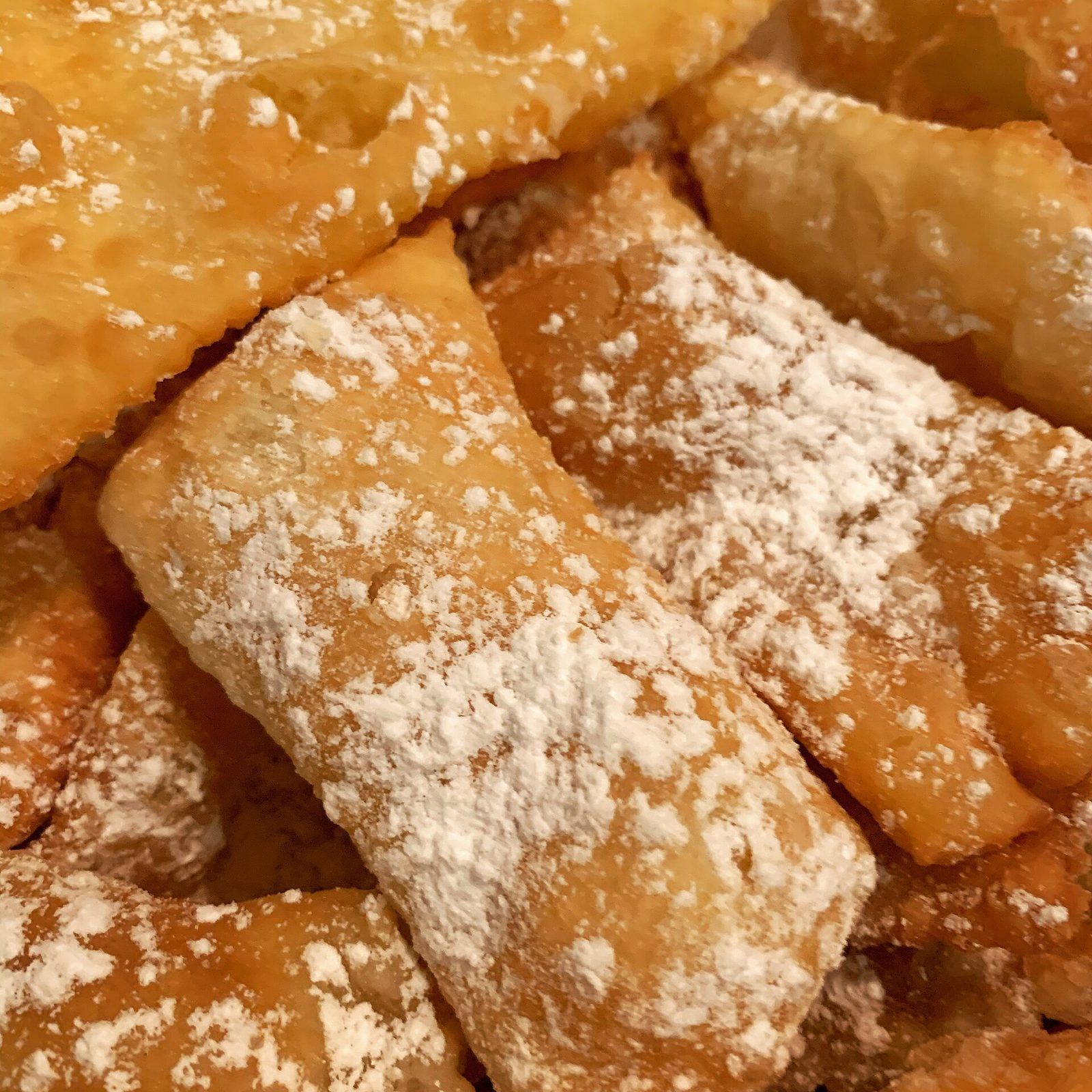
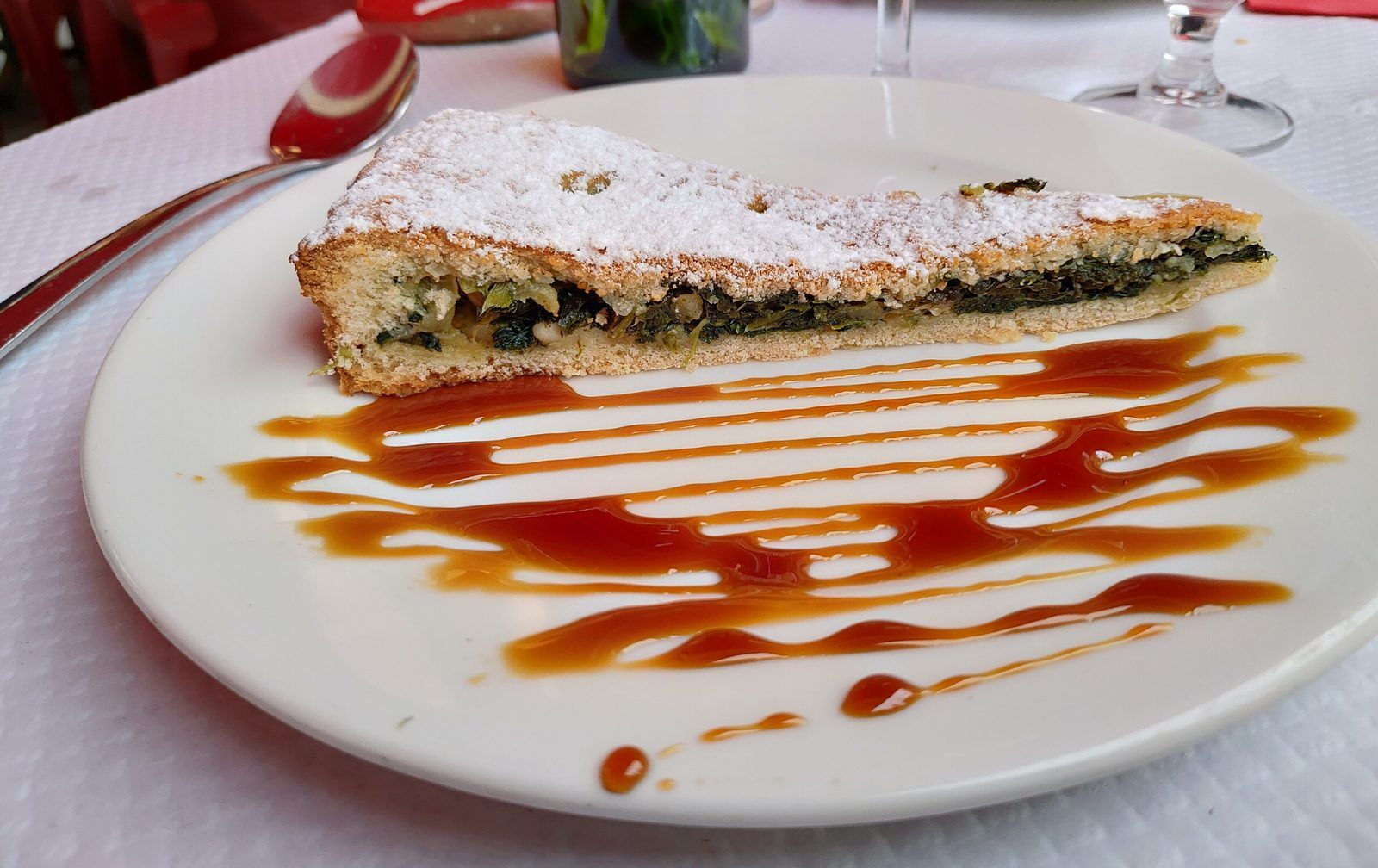
Serve the chocolate in small cups — it is rich, and a modest portion is enough. A glass of water on the side is a nice café touch. In Nice, we like it in winter with a plate of ganses, the crisp carnival fritters dusted with sugar, or a slice of sweet Swiss chard pie. A simple buttered tartine or a croissant is just as good.
Questions & answers
What is the difference between hot chocolate and hot cocoa?
Hot cocoa is made with cocoa powder, sugar and milk. French hot chocolate is made with melted solid chocolate, which contains cocoa butter — that is what gives it its body and velvety texture.
Can I make it with plant milk?
Yes. Oat milk and full-fat soy milk work best because they are creamy and heat well. Leave out the cream, or replace it with a plant-based cream, and use a dairy-free dark chocolate.
Is hot chocolate a Niçoise speciality?
No. It is a French classic enjoyed all over the country, not a local recipe from Nice. We include it because it is what we drink on the few cold winter days on the Riviera.
_-_un_chocolat_chaud.jpg)