Starters
Tapenade
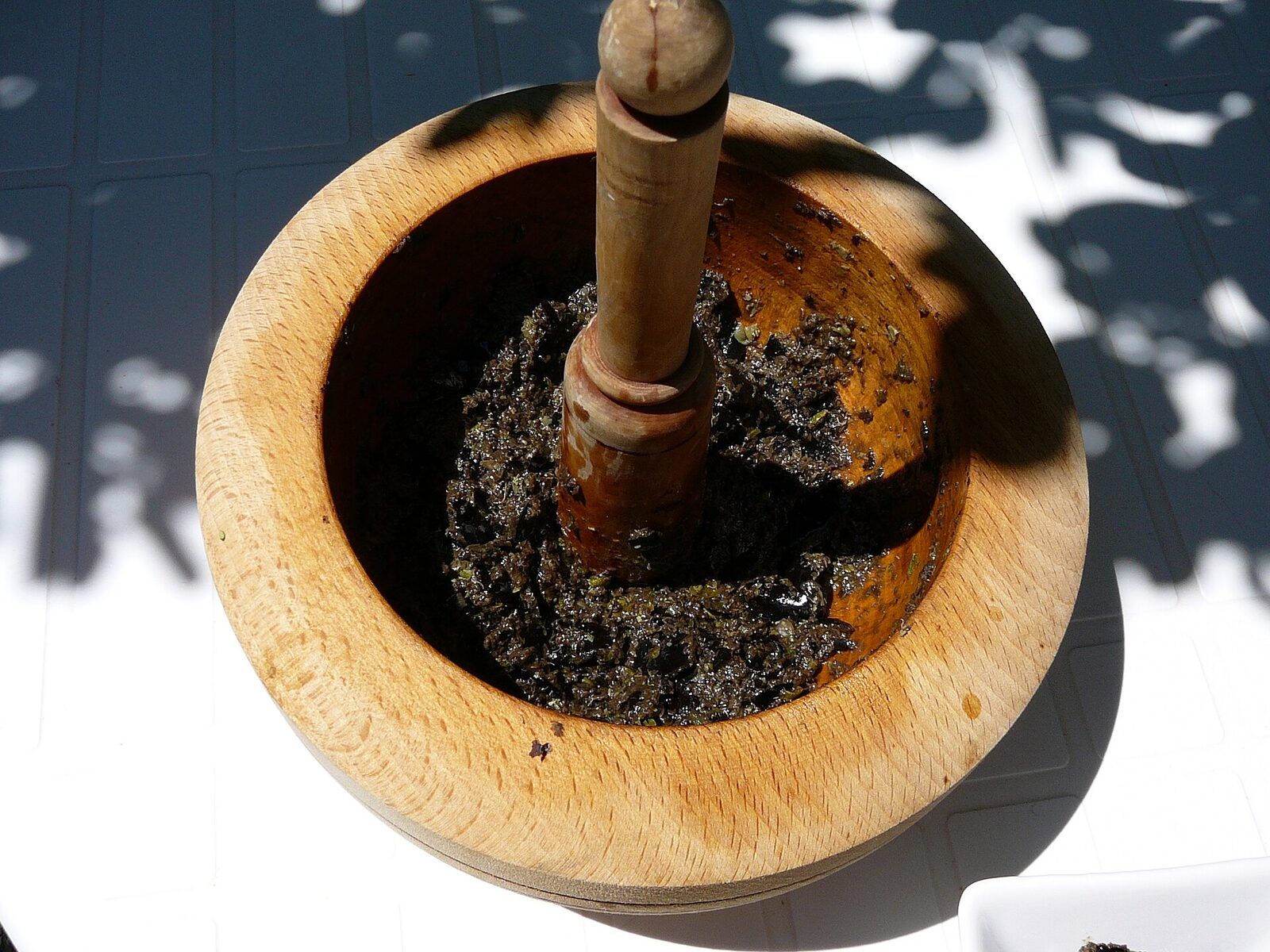
Tapenade is a coarse paste of black olives, capers, anchovies, garlic and olive oil. A home recipe, with green versions and Nice's olive paste compared.
Published
- Prep
- 15 min
- Rest
- 15 min
- Total
- 30 min
- Serves
- 1 small jar
- Difficulty
- Easy
Method
Put the olives, anchovies, capers and garlic in a food processor. Add the mustard and cognac if you use them.
Pulse in short bursts to a coarse paste. Scrape down the bowl.
With the machine running, pour in the olive oil in a thin stream until the paste holds together but is still textured. Add a little more oil if it is too dry.
Taste. Add pepper and, if you like, lemon juice. Do not add salt until you have tasted, because the capers and anchovies are salty.
Spoon into a jar or bowl and leave for at least 15 minutes so the flavours come together.
Serve on toasted baguette slices with raw vegetables for dipping.
Tips
- Buy plain olives, not marinated ones. Marinades and herbs add flavours you did not choose. If you buy olives with stones, weigh them after pitting.
- Use a small garlic clove, or press it, so you do not bite into a raw piece. Garlic gets stronger as the tapenade stands.
- Stop the machine while the paste still has some texture. A smooth tapenade tastes flatter.
- Keep it in a jar in the fridge with a thin layer of olive oil on top. Cooking in Provence says it lasts several days that way.
Watch it being made

2 classic French spreads you can easily make at home: Anchoiade and Tapenade — French Cooking Academy (YouTube). The player loads only when you press play.
Tapenade, the olive and caper paste of Provence
Tapenade is a coarse paste of black olives, capers, anchovies, garlic and olive oil, spread on toast with the first drink of the evening. The name comes from the Provençal tapeno, which means caper, so the capers are what make an olive paste a tapenade. Marseille gets the credit. Provençal cookbooks, among them Jean-Baptiste Reboul’s La Cuisinière provençale (1897), name Meynier, chef of the restaurant La Maison Dorée in Marseille, as its creator in 1880. We treat that as reported, not proven. Olive pastes without capers, such as Catalan olivada, are documented much earlier.
Meynier’s version was not today’s. As Provence7 gives it, he pounded capers and black olives in equal weight, then added anchovy, marinated tuna, English mustard, spices, olive oil and cognac. Saveur adds that he served it in halved hard-boiled eggs. In the versions below the olives lead and the capers are one tablespoon.
Tapenade and the olive of Nice
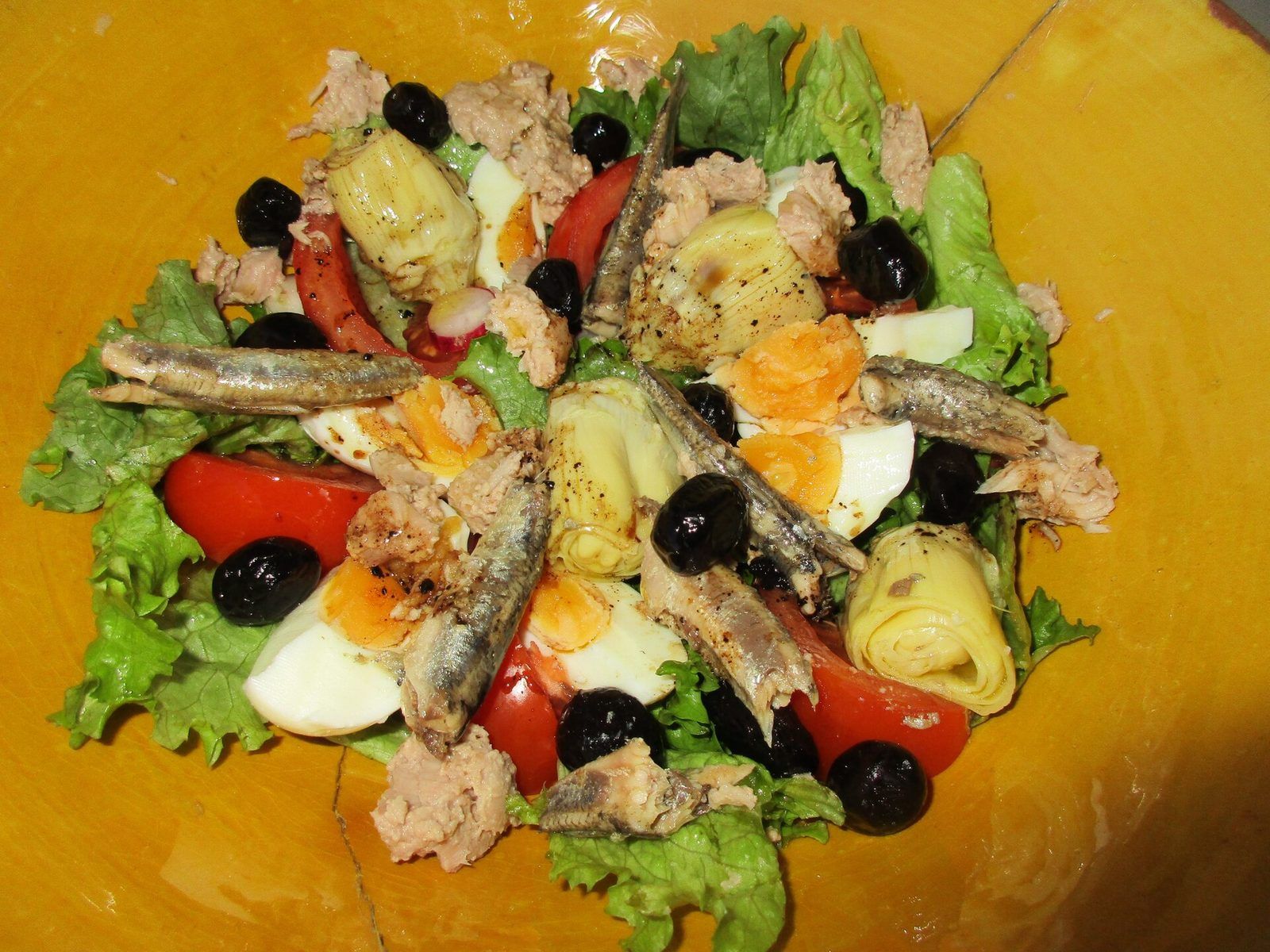
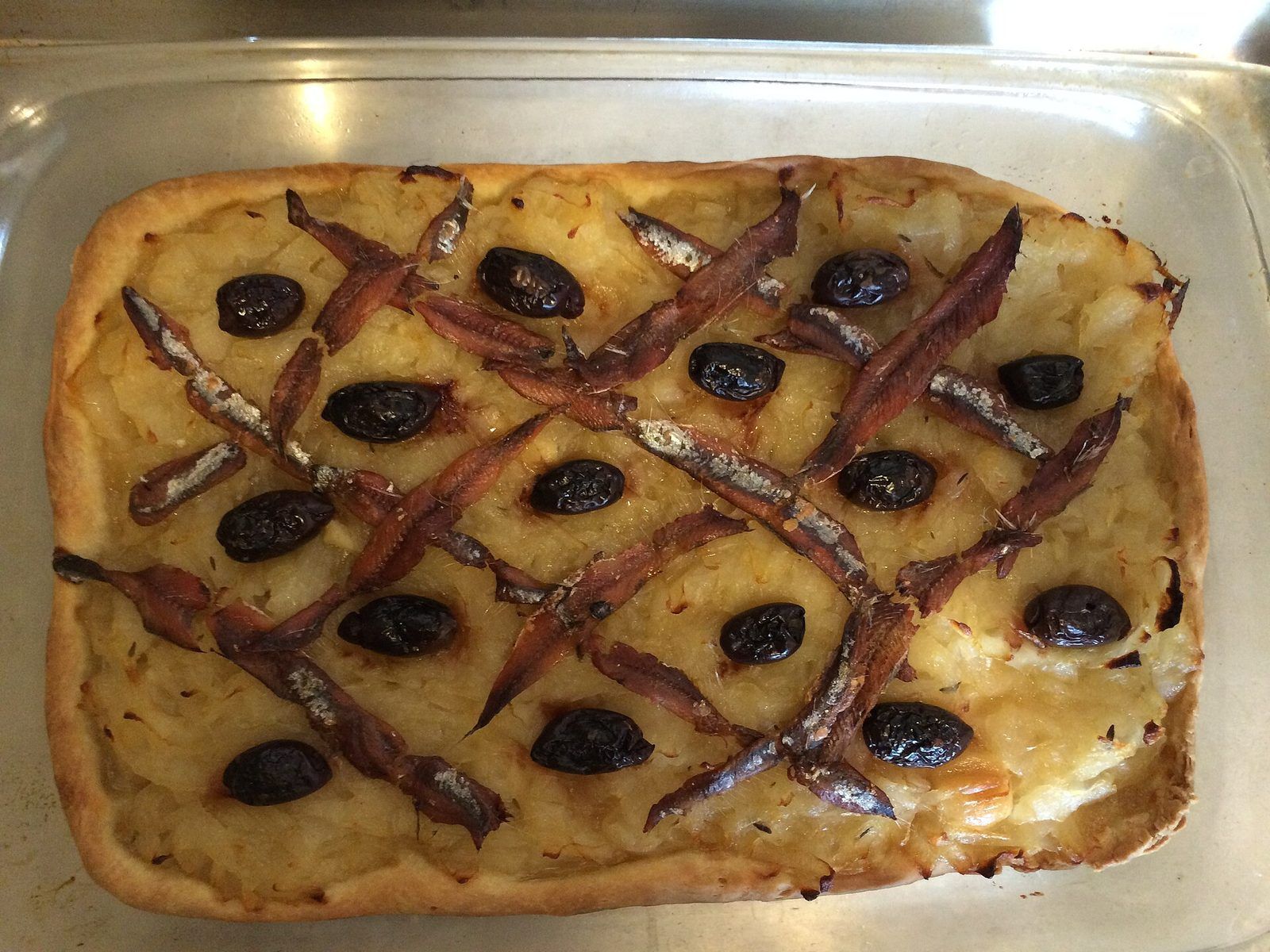
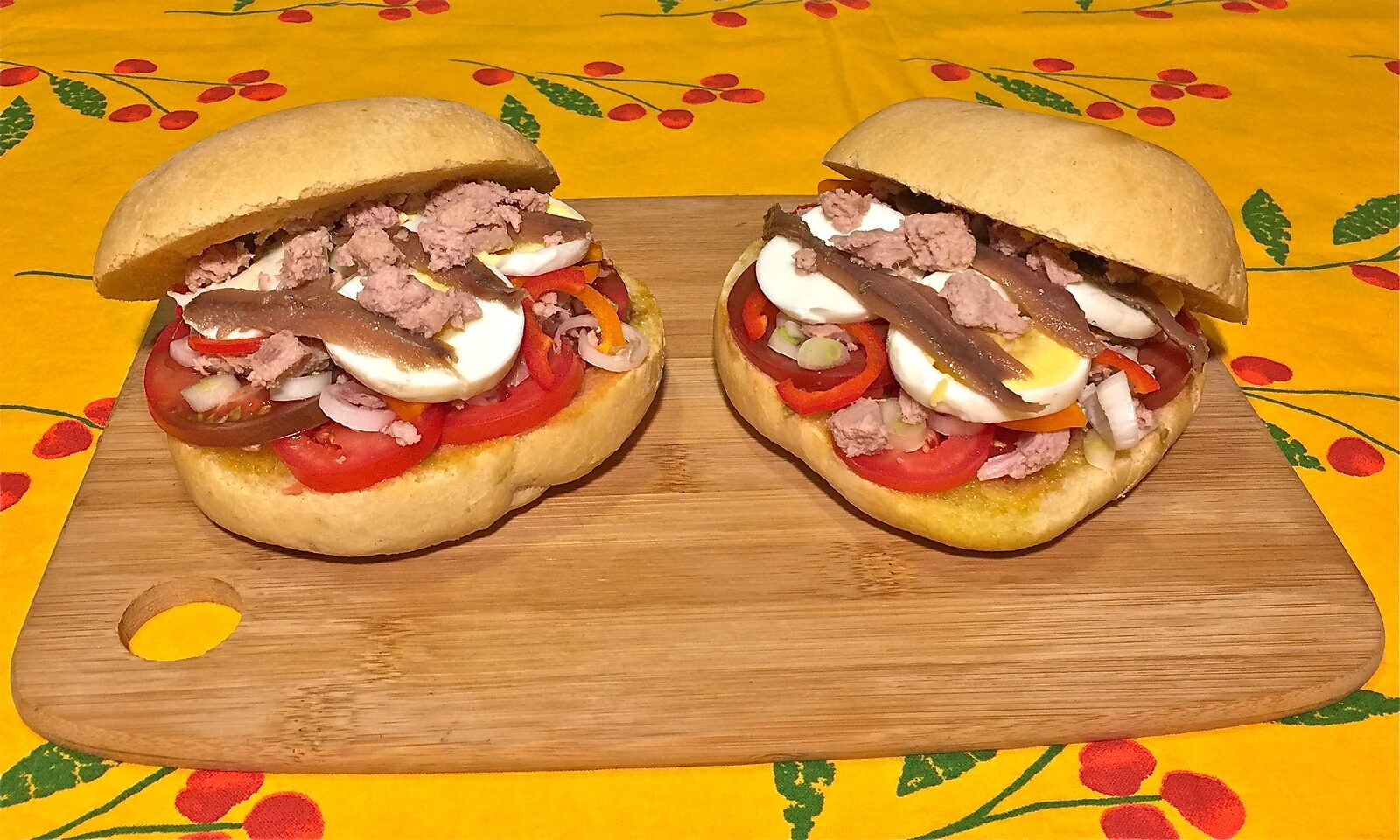
Nice’s contribution is the olive, not the recipe. The Olive de Nice AOP covers table olives and olive paste, both made only from the small Cailletier variety. The specification calls Cailletier the olive of the salade niçoise, and it is the olive to put in salade niçoise, with the anchovies and olive oil that also run through pissaladière and pan bagnat.
The AOP pâte d’olive is not tapenade. The olives sit in brine for at least six months, are desalted, pitted and ground with no more than 12 % Olive de Nice oil by weight, and the specification bans any flavouring. It is brown to black, even and smooth, with aromas of prune, cherry, toast and leather. A tapenade adds the seasoning that this paste forbids. Our guide to Niçoise cooking places the olive in the wider cuisine.
How cooks make tapenade
The recipes agree on the core and differ in the extras.
| Version | Olives | Seasoning | Method |
|---|---|---|---|
| Meynier, 1880 (as cited from Reboul) | Black, 200 g | Capers 200 g, anchovy, tuna, English mustard, cognac | Mortar and sieve |
| French Cooking Academy (2020) | Black, 200 g, plain | 6 to 10 anchovies, 1 tbsp capers, Dijon, 1 tbsp cognac | Food processor |
| La méthode Cuisinier (2021) | Black, 150 g | 8 anchovies, 1 tbsp capers, mustard, fresh thyme | Blender |
| La méthode Cuisinier, green (2021) | Green, 150 g | 8 anchovies, 1 tbsp capers, almond powder or pine nuts | Blender |
| Signé Gourmand (2025) | Black | Pressed garlic, lemon juice, no salt | Food processor, left coarse |
| Cooking in Provence (2016) | Green | Anchovies, capers, tuna, basil | Blender |
The Academy says tapenade needs a machine and that a mortar takes a very long time. Meynier’s recipe, by contrast, was pounded in a mortar and sieved. La méthode Cuisinier prefers the green version with fish and the black with meat. Our recipe is the black one, built on these three modern versions.
Serving tapenade
Serve tapenade on toasted baguette slices, with raw cauliflower, celery and carrots, as the French Cooking Academy does. In Provence, Signé Gourmand says, it arrives on a terrace with a glass of rosé, a beer or a white wine, and Cooking in Provence suggests rosé or a fresh aromatic white. It also goes with fish, pasta and vinaigrettes.
Questions & answers
Can I make tapenade with green olives?
Yes. La méthode Cuisinier makes a green version with 150 g of pitted green olives, 8 anchovy fillets, 1 tablespoon of capers and 1 garlic clove, plus a spoonful of almond powder or pine nuts for a smoother paste. Cooking in Provence adds tinned tuna and basil.
Does tapenade need salt?
Usually not. Capers and anchovies already carry plenty, and Signé Gourmand adds none. Taste first, then adjust.
What else can I do with tapenade besides spread it?
Signé Gourmand serves it with fish, tosses it into pasta and stirs it into a vinaigrette. La méthode Cuisinier uses it with raw vegetables, in sauces and as a stuffing.
Sources
- Ministère de l'agriculture, cahier des charges de l'AOP Olive de Nice (decree 2014-1147, notice BO Agri 2015-40)
- Provence7, Tapenade provençale (Meynier's original recipe as cited from Reboul)
- Tapenade, Wikipedia FR, for its citations of Jean-Baptiste Reboul, La Cuisinière provençale (Marseille, 1897)
- Alexis Steinman, The Original Tapenade (Saveur, 2024)
- French Cooking Academy, 2 classic French spreads: Anchoiade and Tapenade (YouTube, 2020)
- La méthode Cuisinier, Tapenade maison ultra facile (YouTube, 2021)
- Signé Gourmand, François Longpré, Tapenade provençale (YouTube, 2025)
- Cooking in Provence, Tapenade Recipe (YouTube, 2016)
- Messinger Guides, How to make black olive tapenade in Provence (YouTube, 2021)