Lunch
Ratatouille niçoise
La ratatouia nissarda
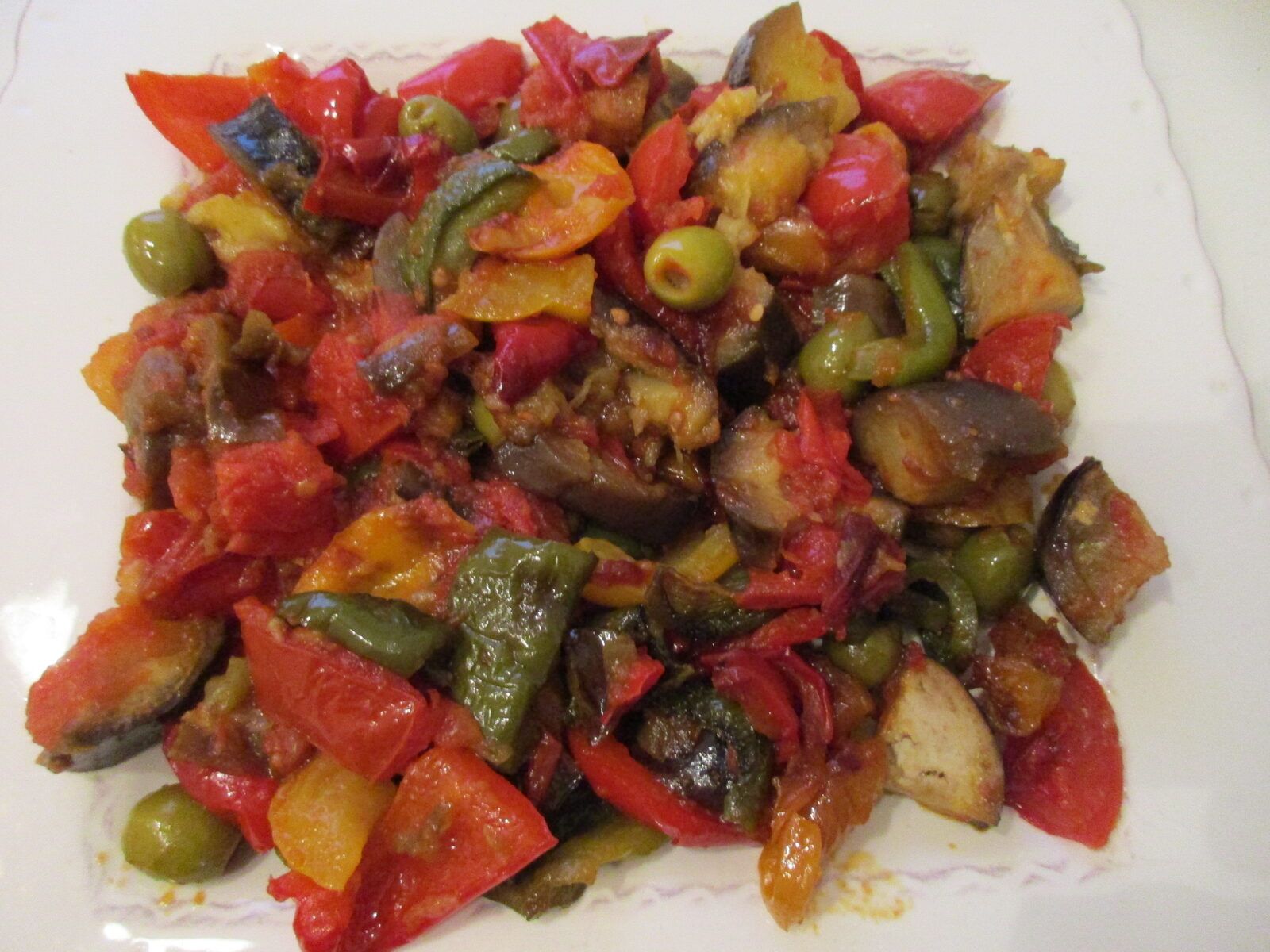
Ratatouille niçoise is Nice's summer vegetable stew: aubergine, courgette, pepper and tomato, each fried on its own, then simmered together in olive oil.
Published
- Prep
- 30 min
- Cook
- 1 h 15 min
- Total
- 1 h 45 min
- Serves
- 8
- Difficulty
- Medium
Method
Peel and chop the onions. Slice the garlic thinly. Seed the peppers and cut them into thin strips. Cut the courgettes into medium slices.
Cut the aubergines into slices 1 cm thick, sprinkle with fine salt and leave for about 20 minutes. Rinse off the salt and pat the slices dry.
Score the tomatoes, dip them in boiling water for 30 to 60 seconds, then peel them and crush the pulp.
In a large cast-iron pot, soften the onions in olive oil with the thyme, the anchovy purée if you use it, and pepper. Stir with a wooden spoon.
Before the onions brown, add the tomato pulp, garlic, bay leaf, parsley and sugar.
In one or more frying pans, fry the aubergines for 10 minutes, the peppers for 10 minutes and the courgettes for 5 minutes, each in olive oil. Salt and pepper them, then drain on paper towels.
Tip the fried vegetables into the tomato sauce and stir gently. Press a sheet of baking paper onto the surface and close the pot with its lid.
Simmer for 40 to 45 minutes, in the oven at 150 to 180 °C or on the hob over low heat.
Taste and adjust the seasoning. Just before serving, stir in the olives and a little fresh basil.
Tips
- Fry each vegetable on its own and drain it. This is the rule of the Nice tourist office's cookbook: it gives tender vegetables instead of oily mush.
- Add the tomato before the onions colour. Onions should soften, not brown.
- Start the onions in a cold pot with a little salt, as Piège does: they sweat without browning.
- Make a big batch. The tourist-office cookbook advises large quantities because ratatouille can be eaten hot or cold.
Watch it being made

Tombez dans le Piège #146 : la ratatouille niçoise — Le Point (YouTube). The player loads only when you press play.
Ratatouille niçoise, the summer vegetable stew of Nice
Ratatouille niçoise is a stew of aubergine, courgette, pepper, tomato and onion, cooked slowly in olive oil and finished with basil. It is a dish of Provence and the former County of Nice. The Nice tourist office includes it in its cookbook of local cooking, and says it is eaten hot or cold: as a main course with meat or fish, as a side dish, or with an omelette.
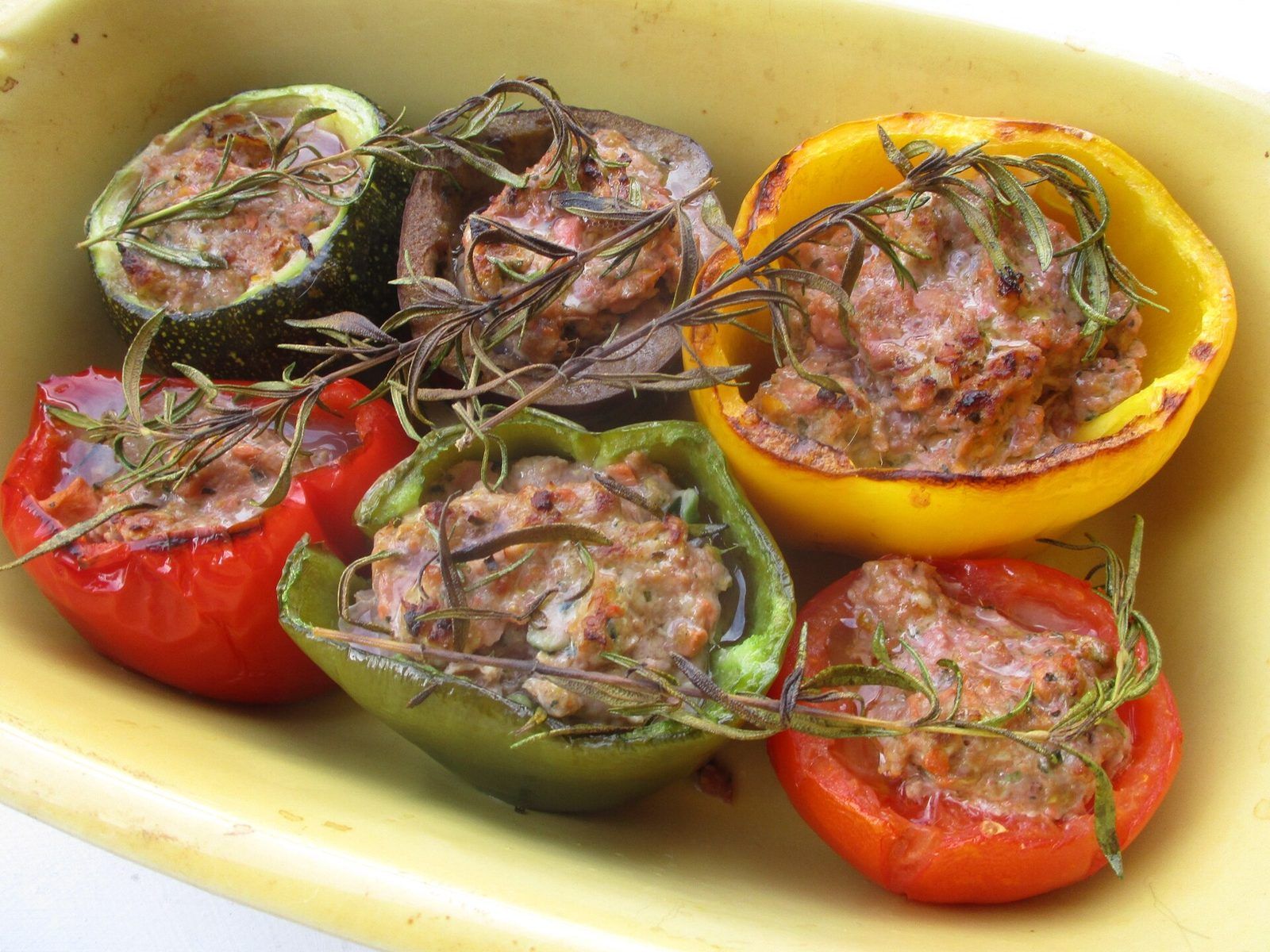
Nice was using the name by 1920. The author Heyraud, quoted by L’Académie du Goût from his Cuisine de Nice (1920), describes a stew of aubergines, tomatoes, courgettes and peppers that was much liked across Languedoc and Provence, and notes that in Nice it goes by the name ratatouille or sauté à la niçoise. Another Niçois way with summer vegetables is stuffed vegetables; our guide to Niçoise cooking puts both in context.
How cooks in Nice make ratatouille
The vegetables are always the same. The argument is about the pan: separate or together.
| Version | Method | Finish |
|---|---|---|
| Nice tourist office cookbook | Each vegetable fried apart (aubergine 10 min, peppers 10, courgettes 5), then 40 to 45 min with the tomato sauce | Olives and basil |
| Jean-François Piège, Le Point (2021) | One pot: onions, peppers and courgettes cooked in turn, aubergines sautéed apart, peeled tomatoes with seeds on top, 30 to 40 min | Basil and olive oil |
| Jérôme Manifacier (2021) | Tomato base, vegetables diced 1 cm and fried one by one, 15 to 20 min together | Olives, basil, rest overnight |
| cuisinenicoise.fr, express (2014) | Raw vegetables in an oiled dish, covered, baked | Fresh basil |
The tourist-office recipe insists on separate frying. Manifacier agrees, calling it the rule for purists: the aubergine stays soft while courgette and pepper keep some bite. cuisinenicoise.fr presents its raw oven version as a break with the “dogma” of separate cooking.
Piège starts his onions in a cold pot with salt so they sweat without colouring, layers the vegetables as he goes, and leaves the seeds in the courgettes and aubergine: the small courgettes of Nice are tender, he says, and his aubergine has few seeds. He takes out the bouquet garni at the end but keeps the garlic, and cooks until there is no juice left in the pot.
Ingredients and substitutes
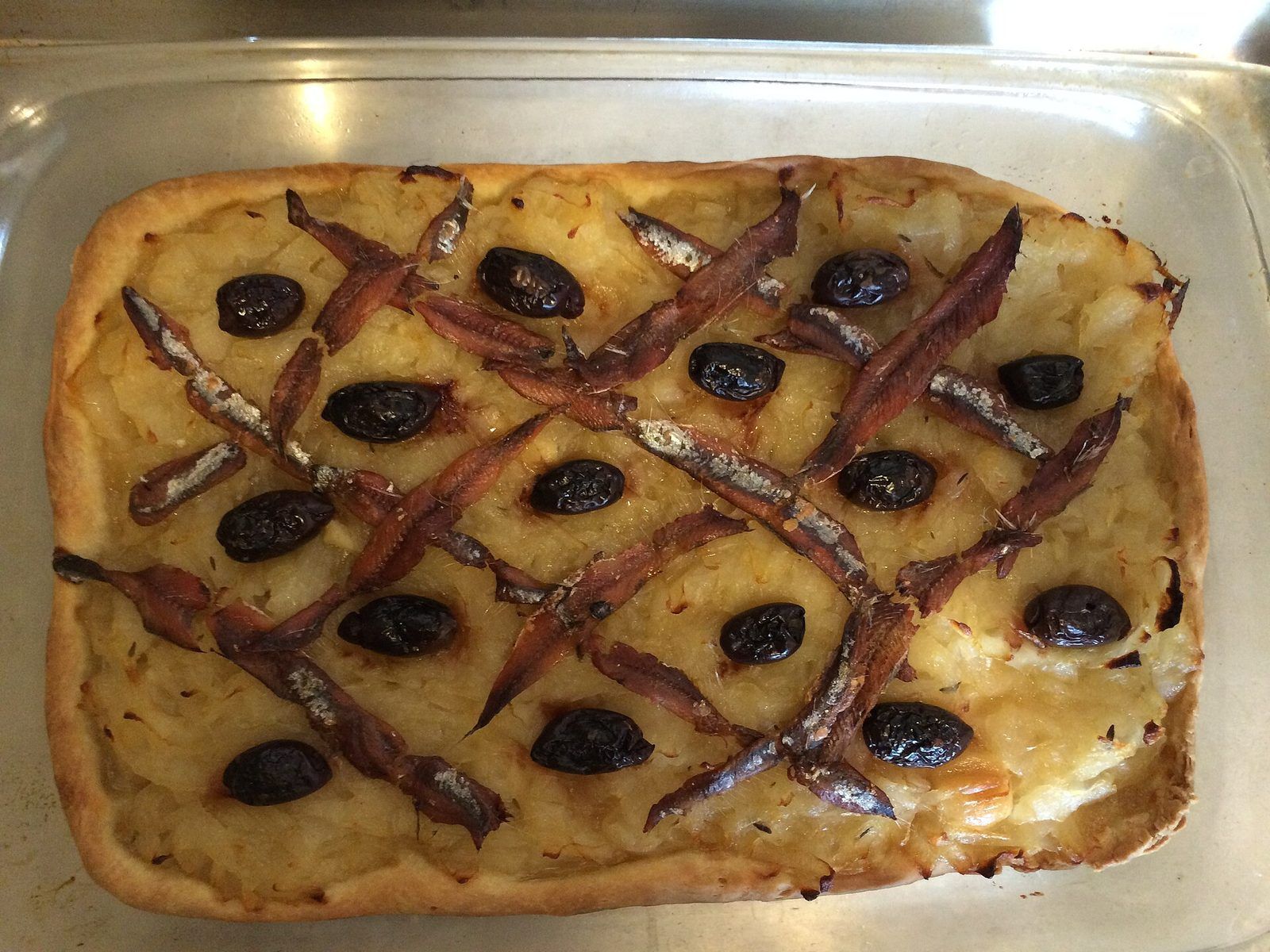
The tourist-office recipe has touches that generic recipes drop. Beyond the vegetables it adds a little anchovy purée or pissalat (the salted-fish paste of Nice, also used for pissaladière) to the onions, a spoonful of sugar to soften the tomato, saffron, and a few olives. The book also studs a whole onion with two cloves, and says they can be omitted. Our list leaves out the saffron and the cloves.
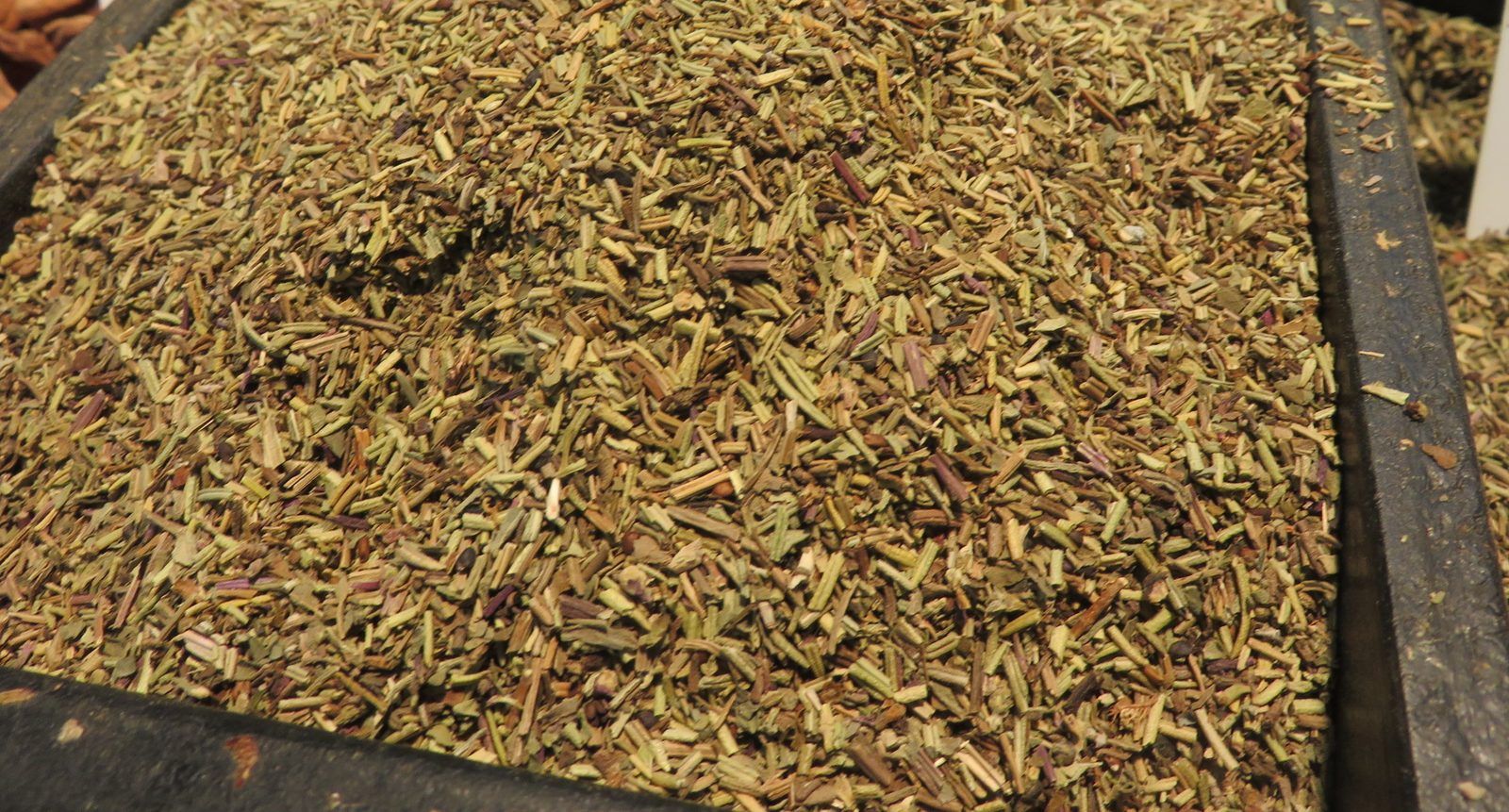
The tourist-office recipe asks for baby courgettes and long, thin Japanese-type aubergines. Manifacier says carrot, celery, fennel and bacon do not belong in a ratatouille, and that in Nice people like to add Niçoise olives. Herbs vary by cook: thyme, bay and parsley in the book, thyme, rosemary and basil for Manifacier, a bouquet garni for Piège. For the wider family see our herbes de Provence.
Cooking ratatouille at home
A heavy cast-iron pot and two frying pans are enough. Fry in batches, drain each vegetable on paper, then bring everything together in the pot under a sheet of baking paper pressed onto the surface. The book prefers the oven, at 150 to 180 °C, but says low heat on the hob also works.
For less work, the oven shortcut from cuisinenicoise.fr skips the frying altogether: raw vegetables, olive oil, a cover and a long bake. Its author notes that it also avoids the oil aubergines soak up in a pan.
Serving ratatouille
Serve ratatouille hot or cold. The tourist-office book says it is best reheated; Manifacier says it is traditionally eaten cold from the fridge, after a night’s rest. Eat it with grilled fish or meat, or with an omelette, as the book suggests, and finish with fresh basil and a spoonful of good olive oil, as Piège does.
Questions & answers
Do I have to salt the aubergines?
The tourist-office recipe salts them for about 20 minutes, then rinses and dries them, because they are fried. The oven version on cuisinenicoise.fr skips this, since the aubergine goes in raw and is not fried in oil.
What is the difference between ratatouille, bohémienne and tian?
Chef Jérôme Manifacier calls a stew without courgettes and peppers a bohémienne, a simplified ratatouille. Ratatouille vegetables without the peppers, cut into rounds and layered in a dish, make a tian provençal.
Is ratatouille niçoise vegetarian?
Yes, if you leave out the anchovy purée or pissalat that the Nice recipe adds to the onions. Everything else is vegetables, olive oil and herbs.
Sources
- Ratatouille niçoise (La Ratatouia Nissarda), Carnets de cuisine du Comté de Nice, Office de Tourisme Métropolitain Nice Côte d'Azur; English translation on Perfectly Provence
- Jean-François Piège, Tombez dans le Piège #146: la ratatouille niçoise (Le Point, YouTube, 2021)
- Jérôme Manifacier, La vraie ratatouille niçoise (pique-assiette.ch, 2021)
- cuisinenicoise.fr, ratatouille express (YouTube, 2014)
- L'Académie du Goût, Ratatouille ou sauté à la niçoise, quoting Heyraud, Cuisine de Nice, 1920 (YouTube, 2014)
- Wikipédia, Ratatouille