Condiments
Herbes de Provence (homemade blend)
A homemade herbes de Provence blend built on thyme, savory, rosemary and oregano, with optional lavender and garden herbs. How to mix, store and use it.
Published · Updated
- Prep
- 10 min
- Total
- 10 min
- Serves
- About 1 cup (250 ml)
- Difficulty
- Easy
Method
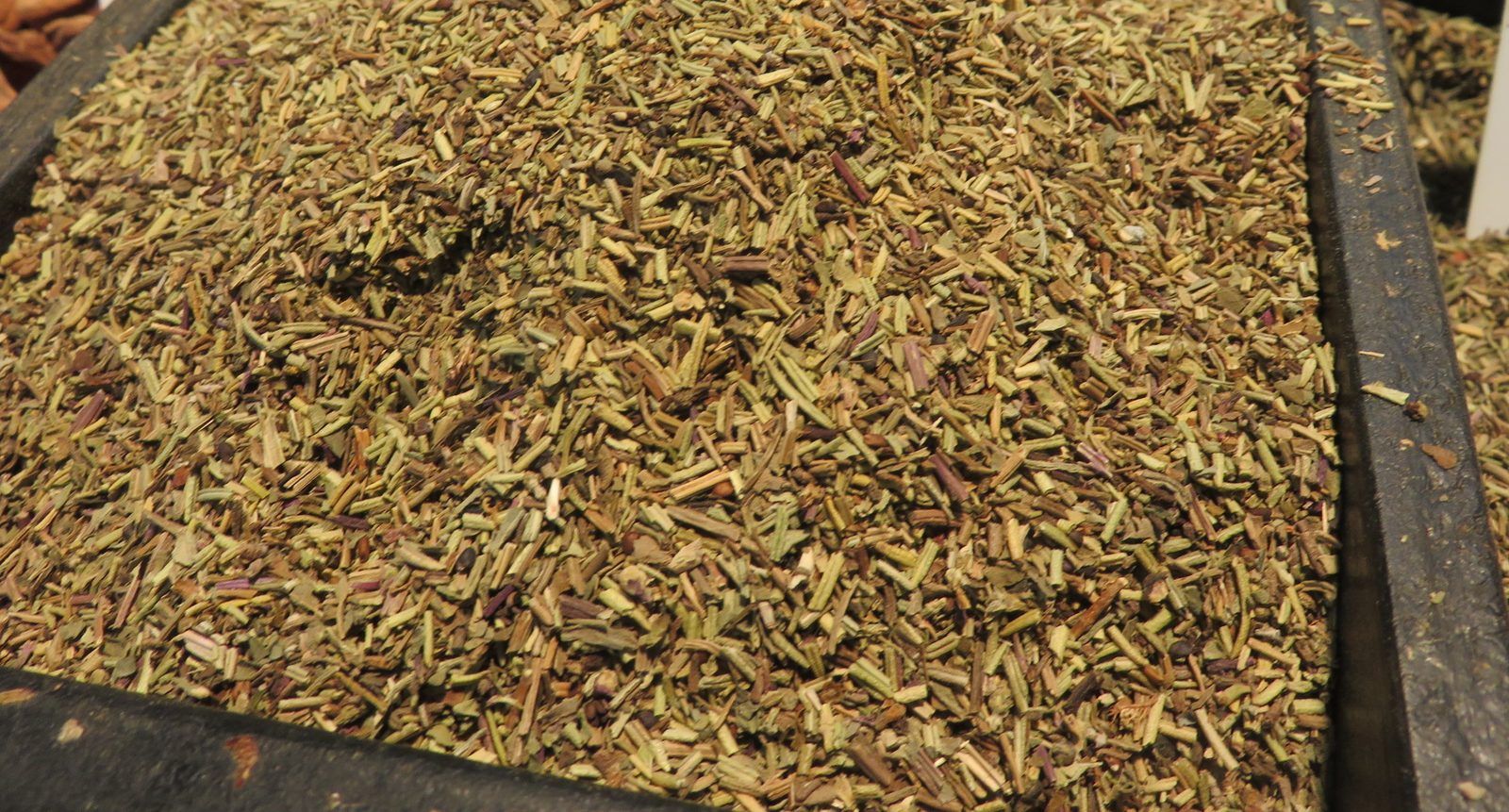
If your herbs are still on their stalks, rub the thyme, savory, marjoram and oregano between your palms over a bowl to release the leaves, and discard the woody stems.
Crush the rosemary needles and the fennel seeds, if using, in a mortar or give them a few short pulses in a spice grinder. They should be broken up, not reduced to powder.
Put all the herbs in a bowl and mix well with your fingers, crumbling any large leaves.
Taste a pinch and adjust. Add the lavender last and sparingly; it quickly dominates the blend.
Transfer to a clean, dry, airtight jar and store away from light and heat. Use within about 6 months.
Tips
- Rub the blend between your fingers as you add it to a dish; it wakes up the essential oils.
- For grilling, mix the herbs with olive oil and a little garlic and brush the mixture on lamb, chicken or vegetables an hour before cooking.
- For stews and tomato sauces, add the herbs early so they have time to soften and release their flavour.
- If you use lavender, choose culinary lavender (Lavandula angustifolia). Lavandin, grown for perfume, tastes harsh and soapy.
Herbs of the hills
Walk in the hills above Nice or anywhere in the Provençal garrigue in early summer and you smell the ingredients of this blend before you see them: wild thyme, savory, rosemary and oregano growing between the rocks, dried by the sun almost on the stem. For generations cooks simply picked what grew nearby, hung it to dry and crumbled it into their dishes.
The name “herbes de Provence” for a ready-made mixture is much more recent. It seems to have spread mainly in the second half of the twentieth century, as producers began selling the blend in jars and small clay pots, often to visitors and for export. There has never been a single fixed recipe, and every brand and every family has its own balance.
The core and the extras
The traditional heart of the blend is short: thyme, savory, rosemary and oregano or marjoram. These are hardy Mediterranean herbs that keep their aroma well when dried. Basil, parsley, chervil, tarragon, fennel seed, bay and sage can round it out, as in our recipe, but they are extras, not essentials. Keep the core herbs dominant and add the others in small amounts.
Lavender is the ingredient that divides people. It is now associated with Provence all over the world, and many commercial blends contain it, but it seems to be a fairly late addition, adopted mostly by the trade rather than by home cooks. A little gives a floral note that works with lamb and roast chicken; too much makes everything taste of soap. There is also a Label Rouge for herbes de Provence, whose specification, as far as we know, is built around the classic herbs and leaves lavender out.
Choosing and storing
Buy dried herbs from a shop with a high turnover, or dry your own at the start of summer, before the plants flower, when their aroma is strongest. Dried herbs should still be green and fragrant when rubbed; if they are grey and smell of dust, replace them. Store the blend in a small airtight jar, away from the stove and sunlight, and make fresh batches rather than one large one.
How to use it
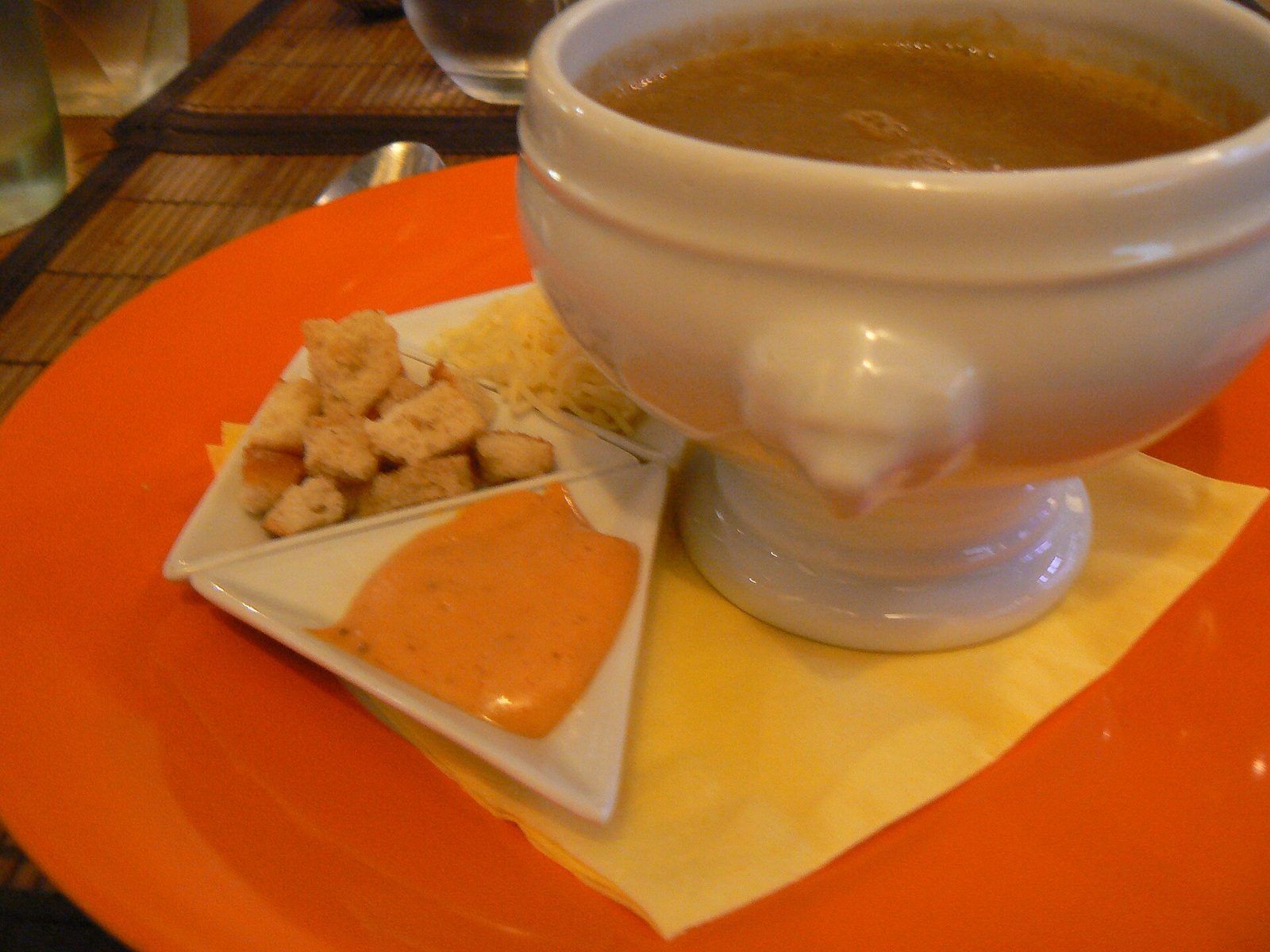
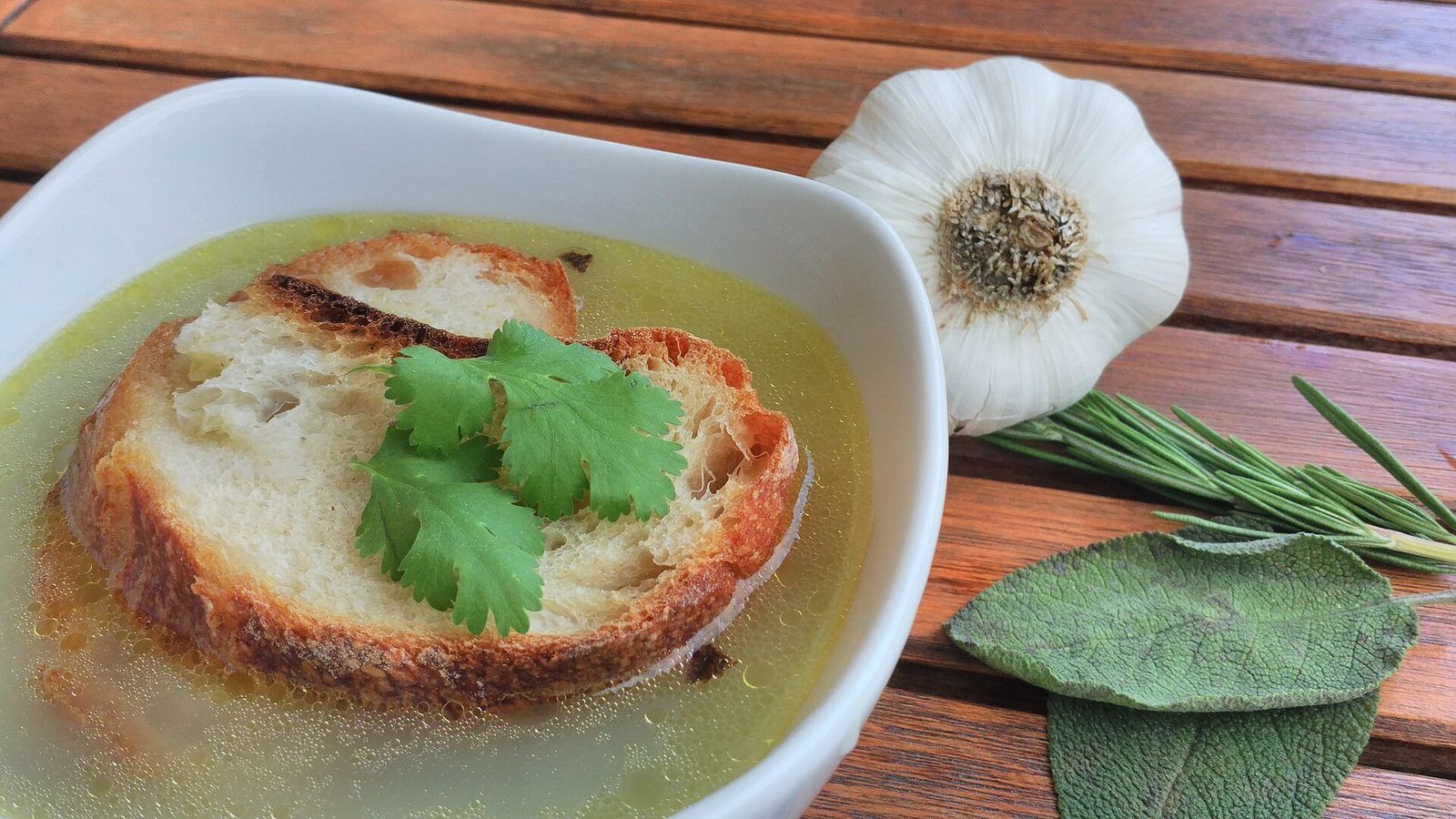
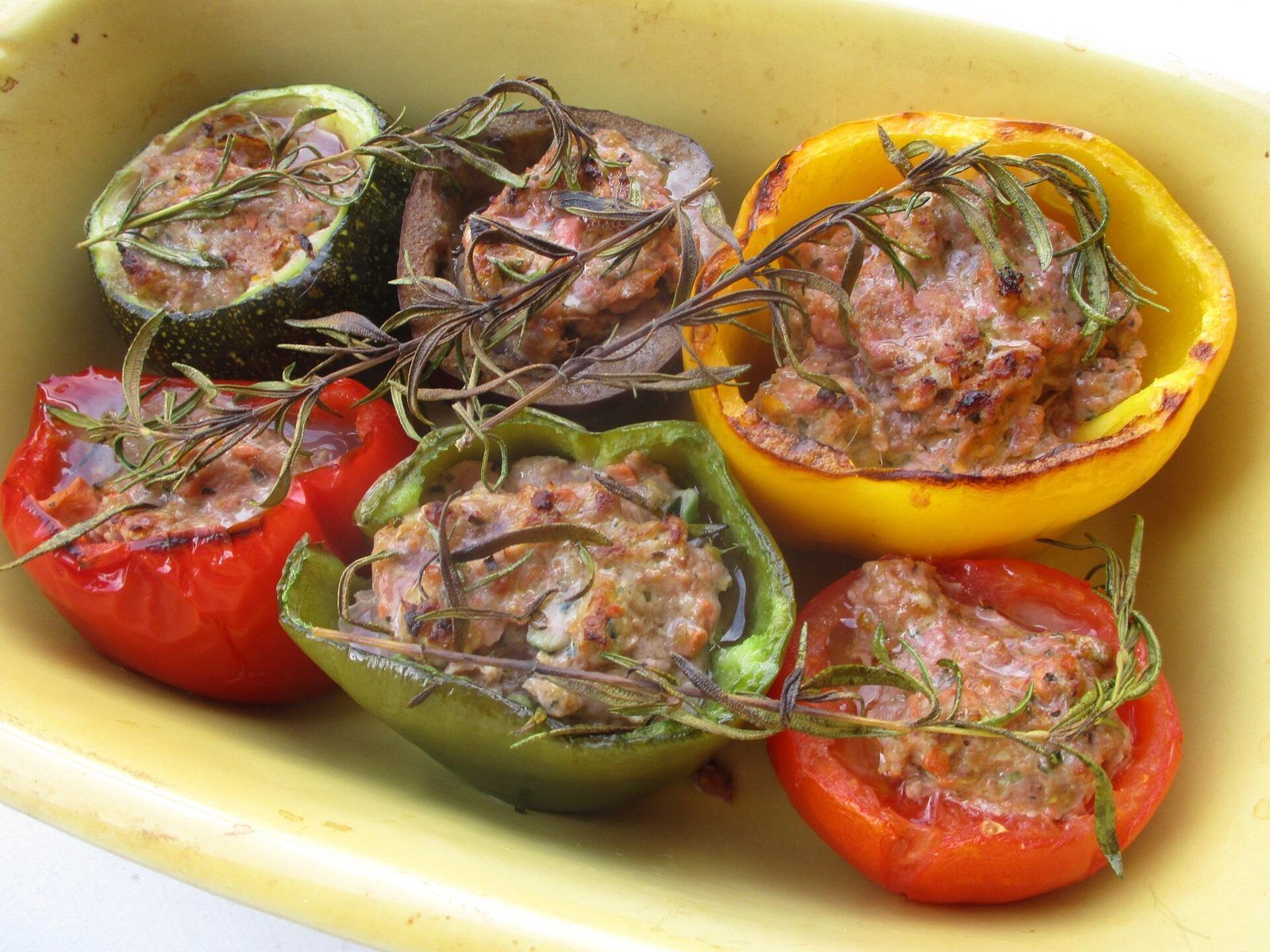
Herbes de Provence are at home in slow-cooked tomato sauces, ratatouille, bean and vegetable soups, marinades for grilled meat and fish, and roast potatoes. A pinch goes into the stuffing of Niçoise stuffed vegetables, and a sprig of the same herbs, fresh, flavours many country soups such as the sage-scented aiga boulida. They are also a good seasoning for olive oil to dip bread in, or to brush on a fish before grilling, then served with a spoonful of rouille.
Questions & answers
Do herbes de Provence contain lavender?
Not traditionally. The older, home-made mixtures of Provence are built on thyme, savory, rosemary and oregano or marjoram. Lavender is a later addition, found mostly in commercial blends. Add it if you like it, in small amounts.
How do I dry my own herbs?
Tie small bunches and hang them upside down in a dry, airy, shaded place for 1–2 weeks, until the leaves crumble easily. Then strip the leaves and store them in jars.
Can I use fresh herbs instead?
This blend is meant to be made with dried herbs. With fresh herbs, use about three times the quantity and cook with them the same day.