Condiments
Rouille (saffron garlic sauce)
Rouille, the rust-coloured garlic, saffron and chilli sauce of Provence, bound with egg yolk and potato and spread on croutons for fish soup.
Published · Updated
- Prep
- 15 min
- Cook
- 20 min
- Total
- 35 min
- Serves
- About 250 ml (1 cup)
- Difficulty
- Medium
Method
Boil the potato in its skin for about 20 minutes, ideally in the fish soup you are serving, until tender. Peel it while still warm. If using bread instead, soak it in a little hot soup or water and squeeze it dry.
Crumble the saffron into the tablespoon of hot soup or water and leave it to infuse for at least 5 minutes.
Halve the garlic cloves and remove any green germ. Pound them in a mortar with the coarse salt to a smooth paste.
Add the chilli and the warm potato (or squeezed bread) and pound until completely smooth, with no lumps.
Work in the egg yolk, then the saffron with its soaking liquid.
Add the olive oil drop by drop at first, turning the pestle steadily in one direction. Once the sauce starts to thicken, pour the oil in a thin stream until it is all absorbed and the rouille is thick, glossy and deep orange.
Taste and adjust the salt and chilli. If the sauce is too stiff, loosen it with a spoonful of hot soup or boiling water.
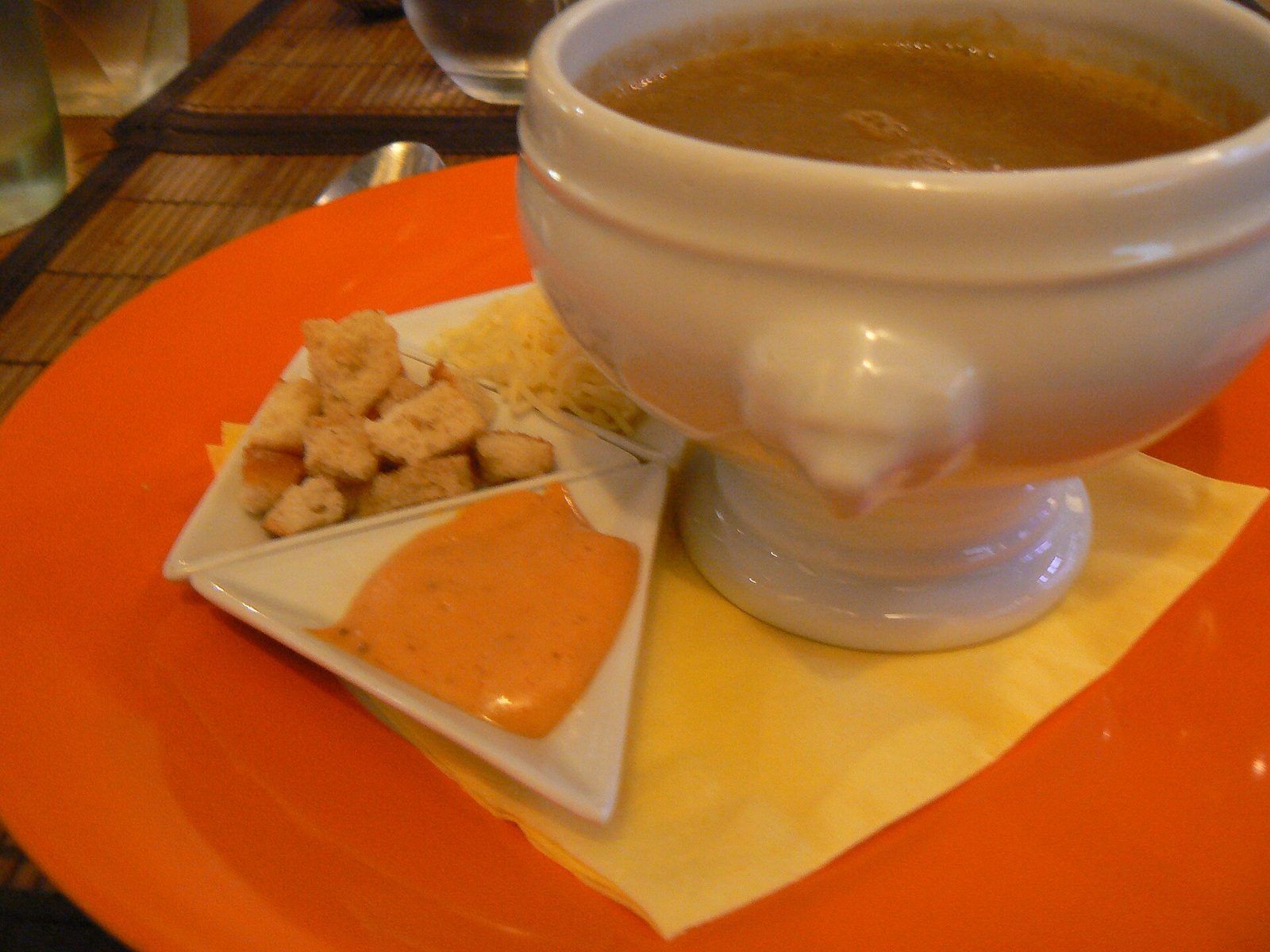
Rub the dried bread slices with the cut garlic clove. Serve the rouille in a bowl alongside the soup, the croutons and the cheese.
Tips
- If the sauce splits, start again with a fresh egg yolk in a clean bowl and whisk the broken sauce into it, a spoonful at a time.
- Strong, peppery extra-virgin olive oil can turn bitter when beaten hard, especially with a blender or stick blender. Cutting it with a milder oil keeps the flavour round.
- Rouille contains raw egg yolk. Keep it in the fridge, covered, and eat it within 24 hours; take it out 30 minutes before serving so it softens.
- Without a mortar, mash the potato and garlic with a fork, then whisk in the rest in a bowl.
Watch it being made

How to Make Rouille | Rick Stein Recipe — Rick Stein Restaurants (YouTube). The player loads only when you press play.
A sauce named after its colour
Rouille is the French word for rust, and one look at the sauce explains the name: garlic, saffron and red chilli beaten into olive oil give it a deep orange-red colour. It belongs to the whole Provençal coast, from Marseille to Nice, and it is the classic companion of bouillabaisse and of the smooth fish soups sold in every market along the Mediterranean. In Nice you will find it on the table whenever a fish soup is served, alongside a basket of dried bread and a bowl of grated cheese.
Rouille is a cousin of aioli, the garlic mayonnaise of Provence. What sets it apart is the heat of the chilli, the perfume of the saffron and, in many kitchens, a binding of bread or potato. Older recipes often thicken it only with bread soaked in fish broth; many cooks today add an egg yolk, which makes the emulsion easier to control. Our version uses both a yolk and a small potato: the potato gives body and a soft texture, the yolk keeps the sauce stable.
Choosing the ingredients
- Garlic: firm, fresh heads. Remove the green germ from older cloves — it is what makes raw garlic harsh and hard to digest.
- Saffron: threads rather than powder, which is easier to adulterate. A little goes a long way; infusing it in something hot first releases its colour and aroma.
- Chilli: cayenne is the usual choice. Piment d’Espelette gives a fruitier, gentler heat. Start with a little — you can add more at the end.
- Olive oil: a mix of fruity extra-virgin oil and a milder one. A sauce made only with a strong, peppery oil can overpower delicate fish.
- Potato: a floury variety. Cooking it in the soup itself adds flavour and a little of the soup’s colour.
Variations
For a thicker, more rustic rouille, replace the potato with bread soaked in broth and leave out the egg. For a lighter one closer to a mayonnaise, skip the potato and use two yolks. A small spoonful of tomato paste deepens the colour, though purists would say it is not needed.
Serving
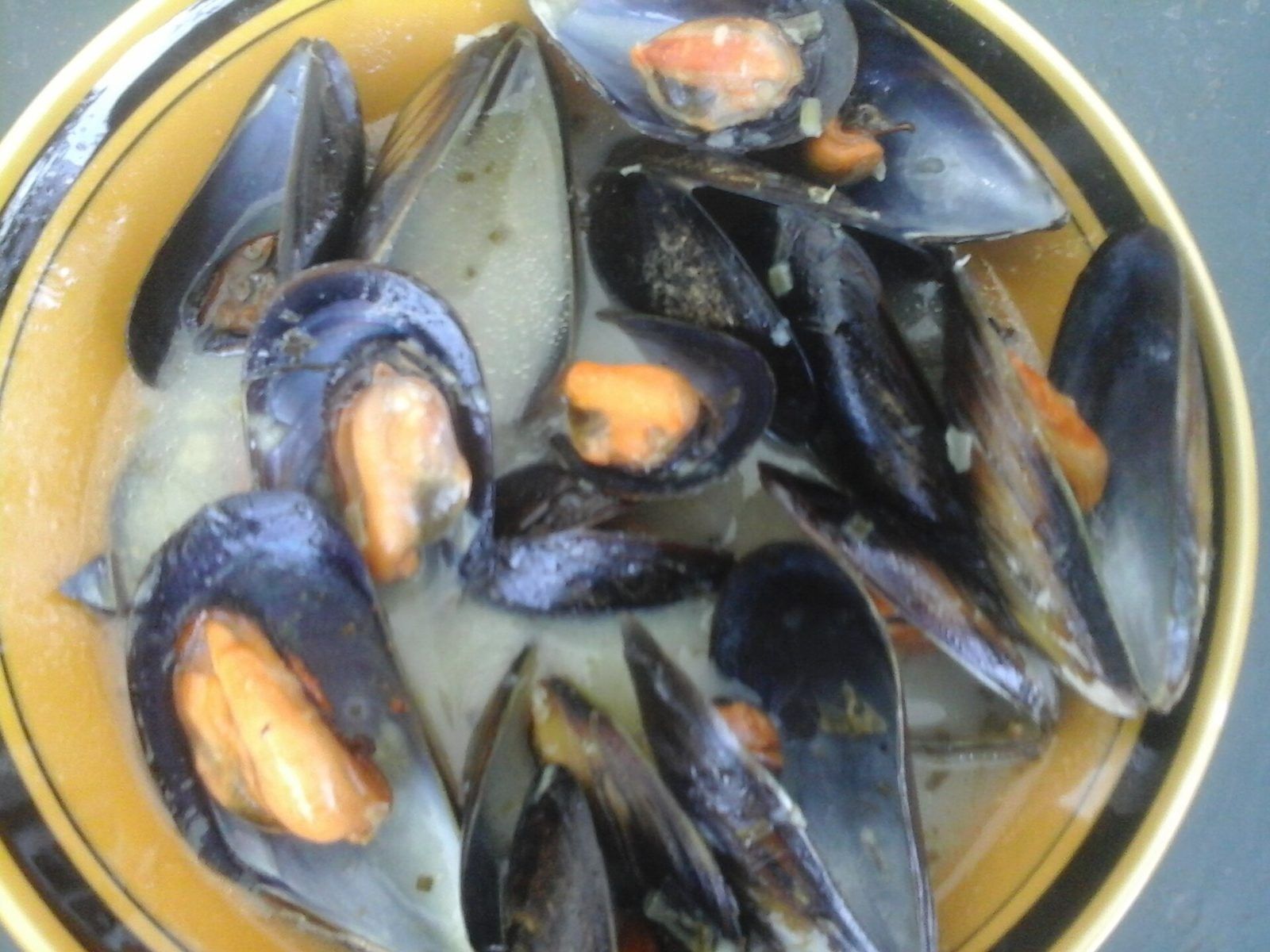
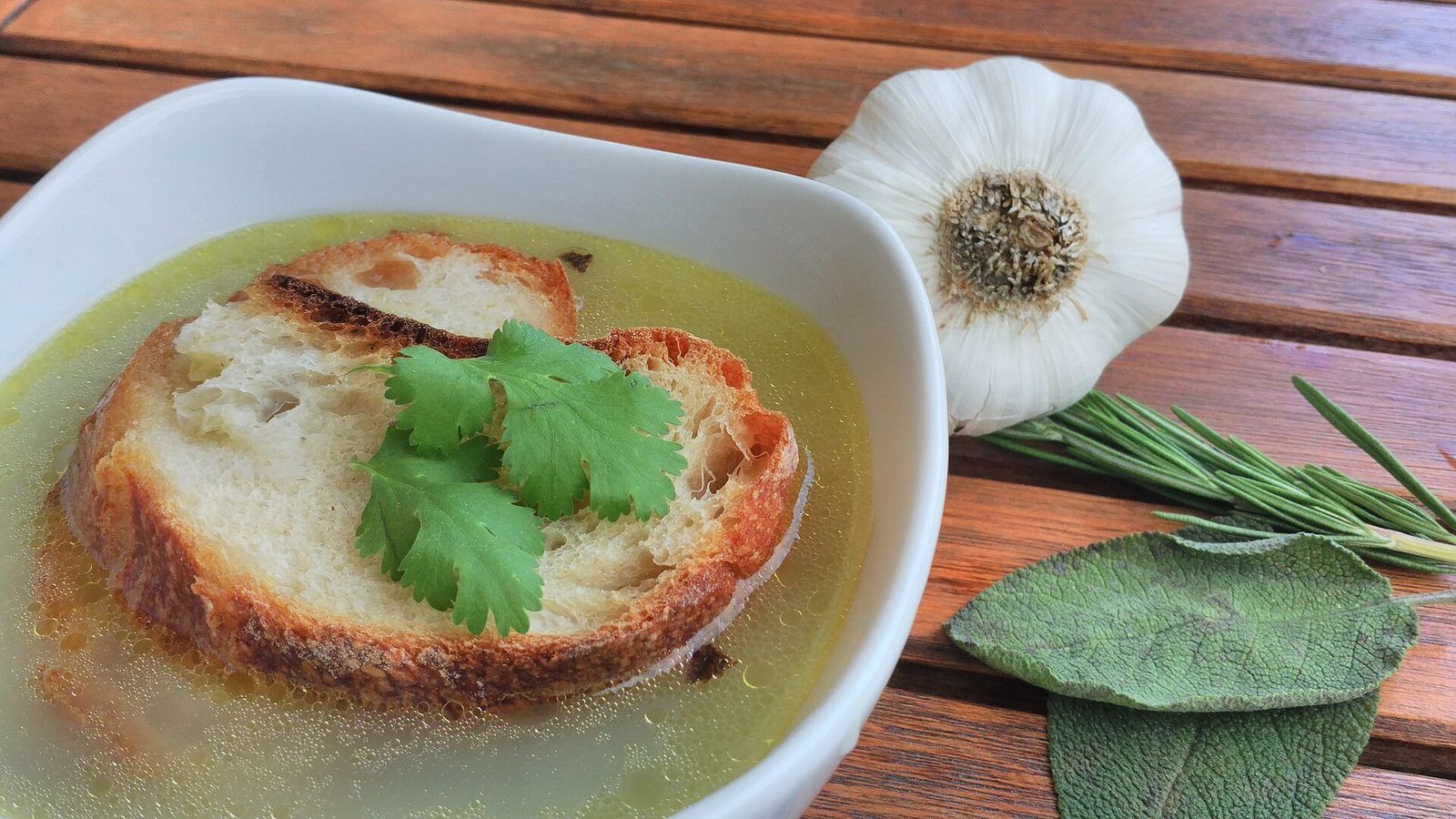
Rouille is made to go with fish soup. Try it with our mussel soup with saffron and spaghetti, where it echoes the saffron in the broth, or stir a spoonful into a humble garlic and sage broth such as aïga boulida for a more robust bowl. It is also very good with poached or grilled fish, boiled potatoes, or simply spread on toast with a glass of chilled rosé.
Questions & answers
What is the difference between rouille and aioli?
Aioli is a garlic and olive oil emulsion with no chilli or saffron. Rouille adds both, and is usually thickened with bread or potato, which gives it its rust colour — rouille means “rust” in French — and its denser texture.
Can I make rouille without egg?
Yes. The potato or bread alone will hold a fair amount of oil. The sauce is a little less stable, so make it shortly before serving and add the oil slowly.
How is rouille eaten with fish soup?
Spread it on the garlic-rubbed croutons, sprinkle with a little cheese if you like, and float them in the hot soup. Some people also stir a spoonful straight into the bowl.